
Local treatment
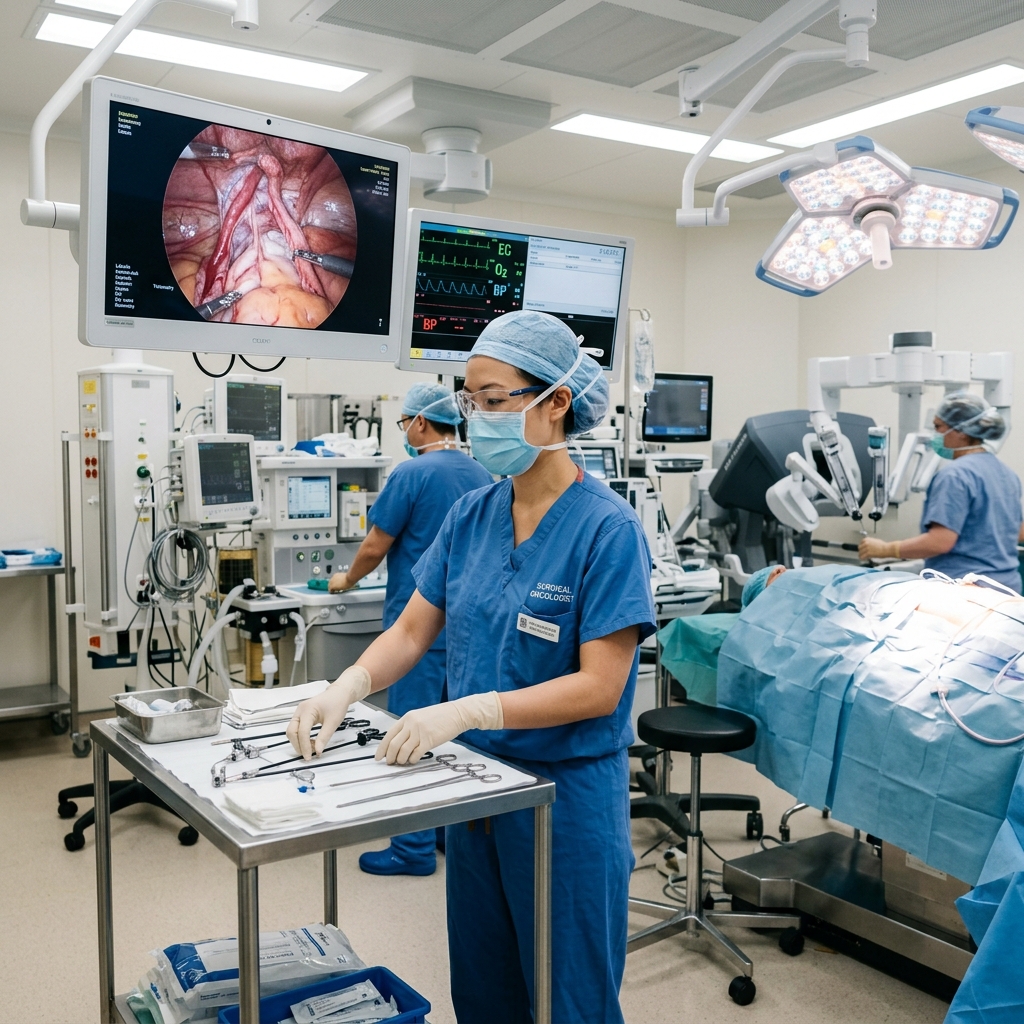
Surgery
Cancer surgery may remove a tumour, nearby tissue or lymph nodes and can have diagnostic, curative or symptom-relieving purposes.
Explore treatment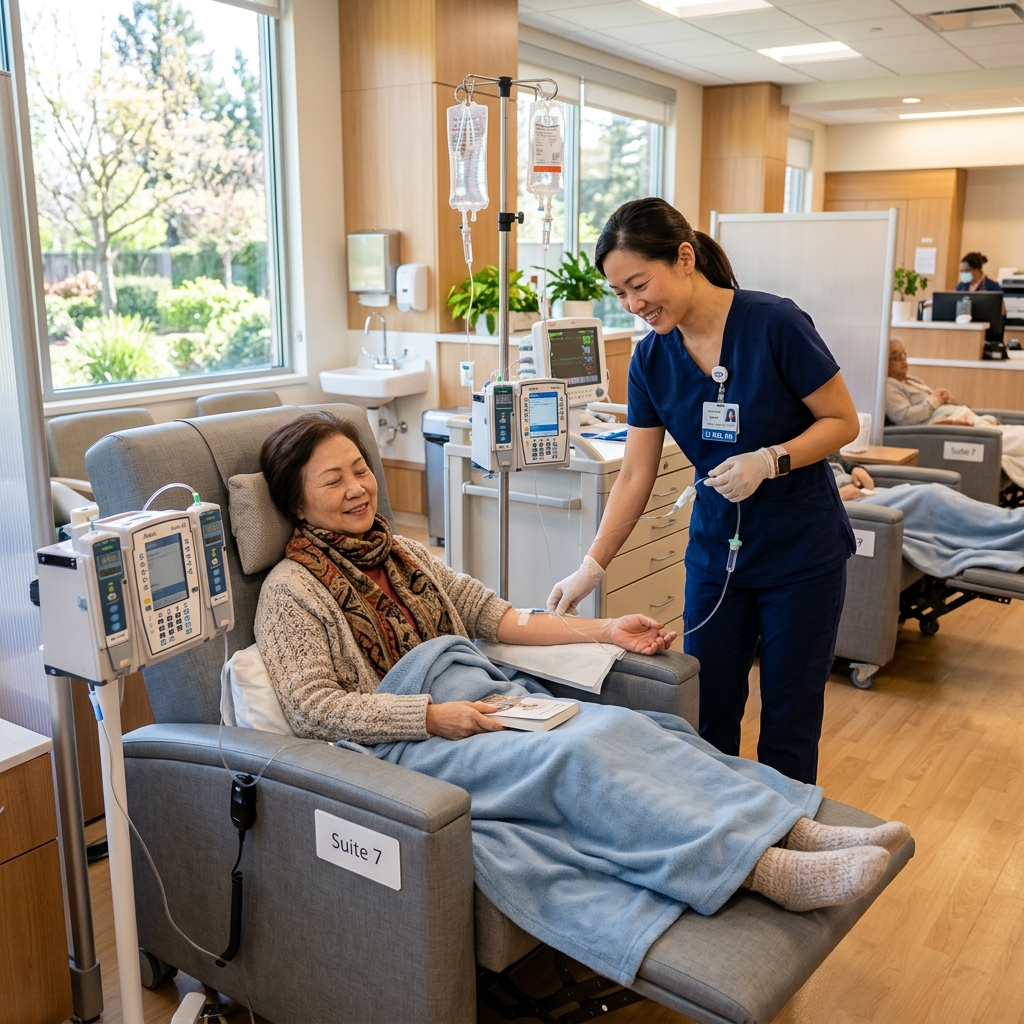
Understand the approaches your care team may consider and how treatment is planned around your diagnosis, health and priorities.

Recommendations depend on confirmed clinical findings and the person receiving care.
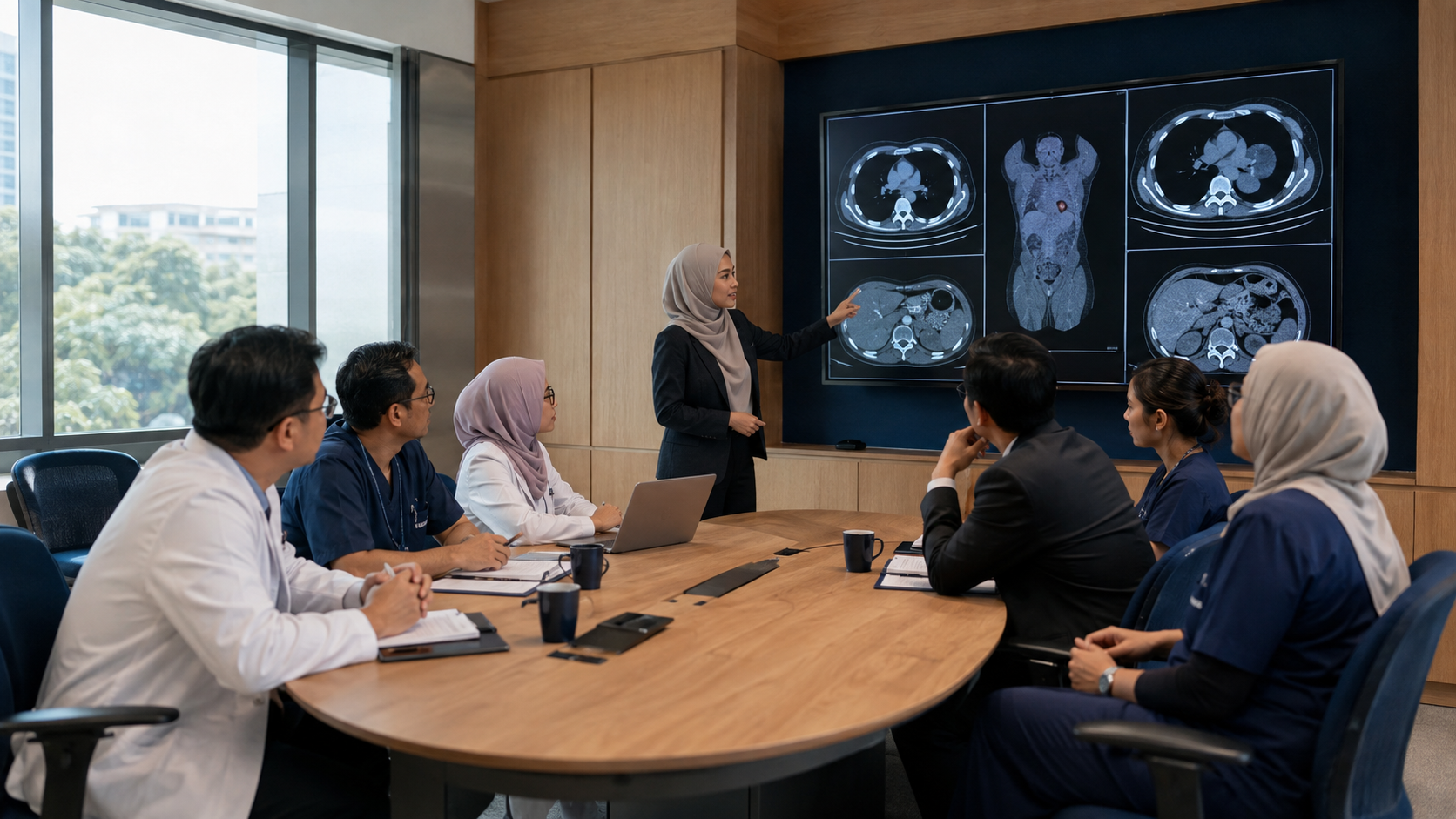
Complex cases may be reviewed by specialists across diagnosis, treatment and supportive care before a coordinated recommendation is agreed.
A treatment plan may use one approach or combine several. Explore how each may contribute to care.
Cancer surgery may remove a tumour, nearby tissue or lymph nodes and can have diagnostic, curative or symptom-relieving purposes.
Explore treatment
Chemotherapy uses medicines that act on rapidly dividing cells and may be used alone or with other treatments.
Explore treatment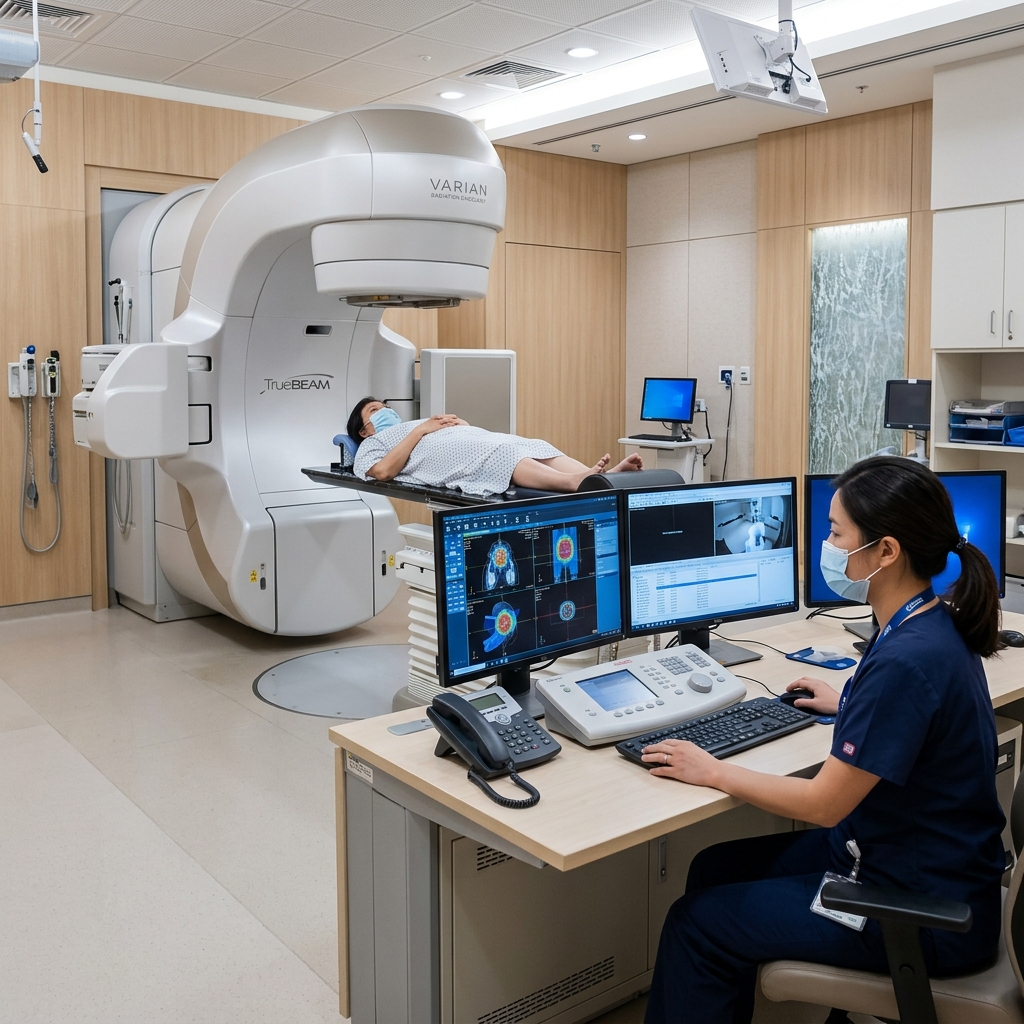
Radiation therapy uses carefully planned high-energy beams to treat a defined area while limiting exposure to surrounding tissue.
Explore treatment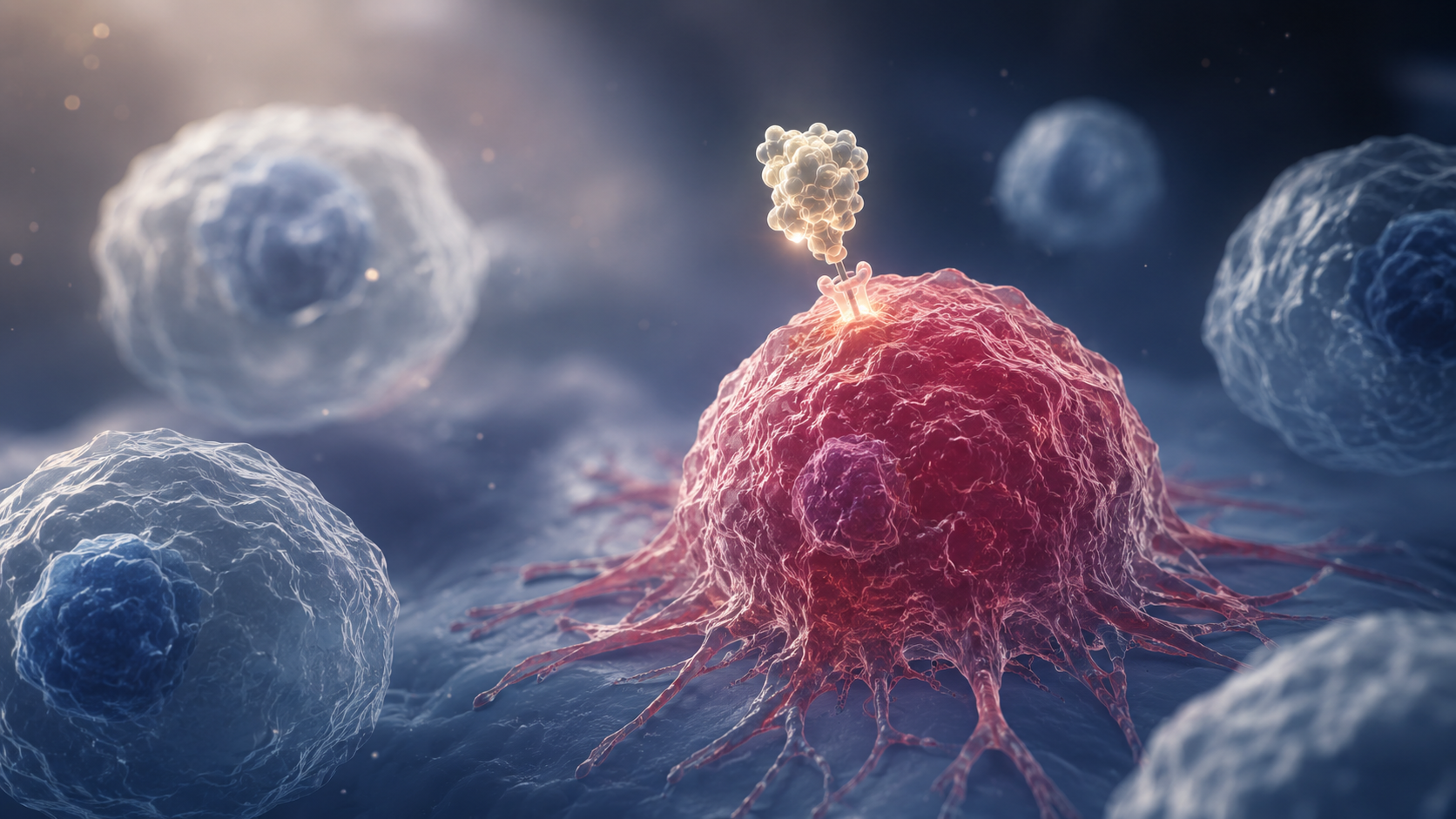
Targeted treatments act on particular features that help some cancer cells grow, survive or spread.
Explore treatment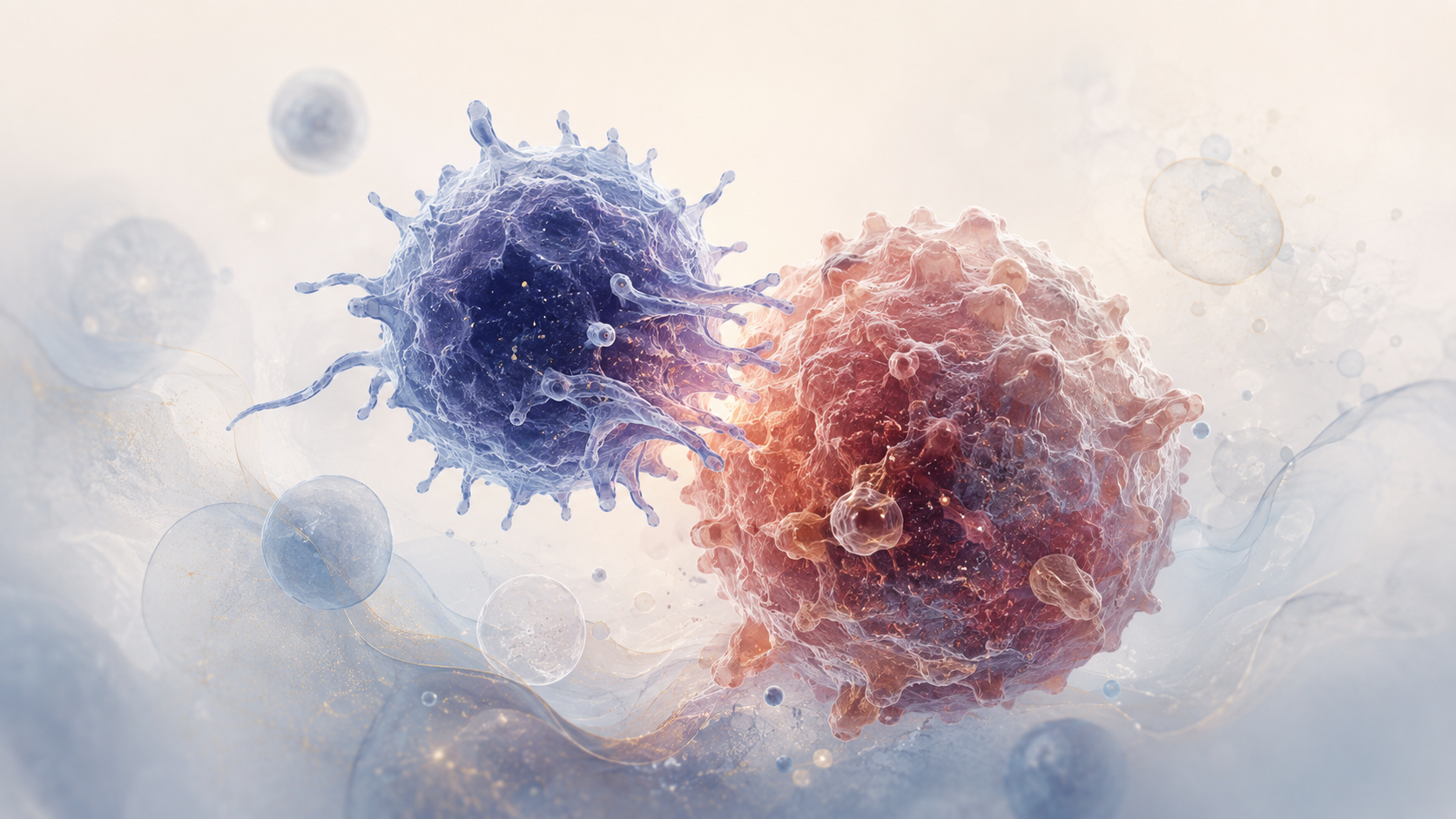
Immunotherapy works with the immune system to recognise or respond to cancer in selected situations.
Explore treatment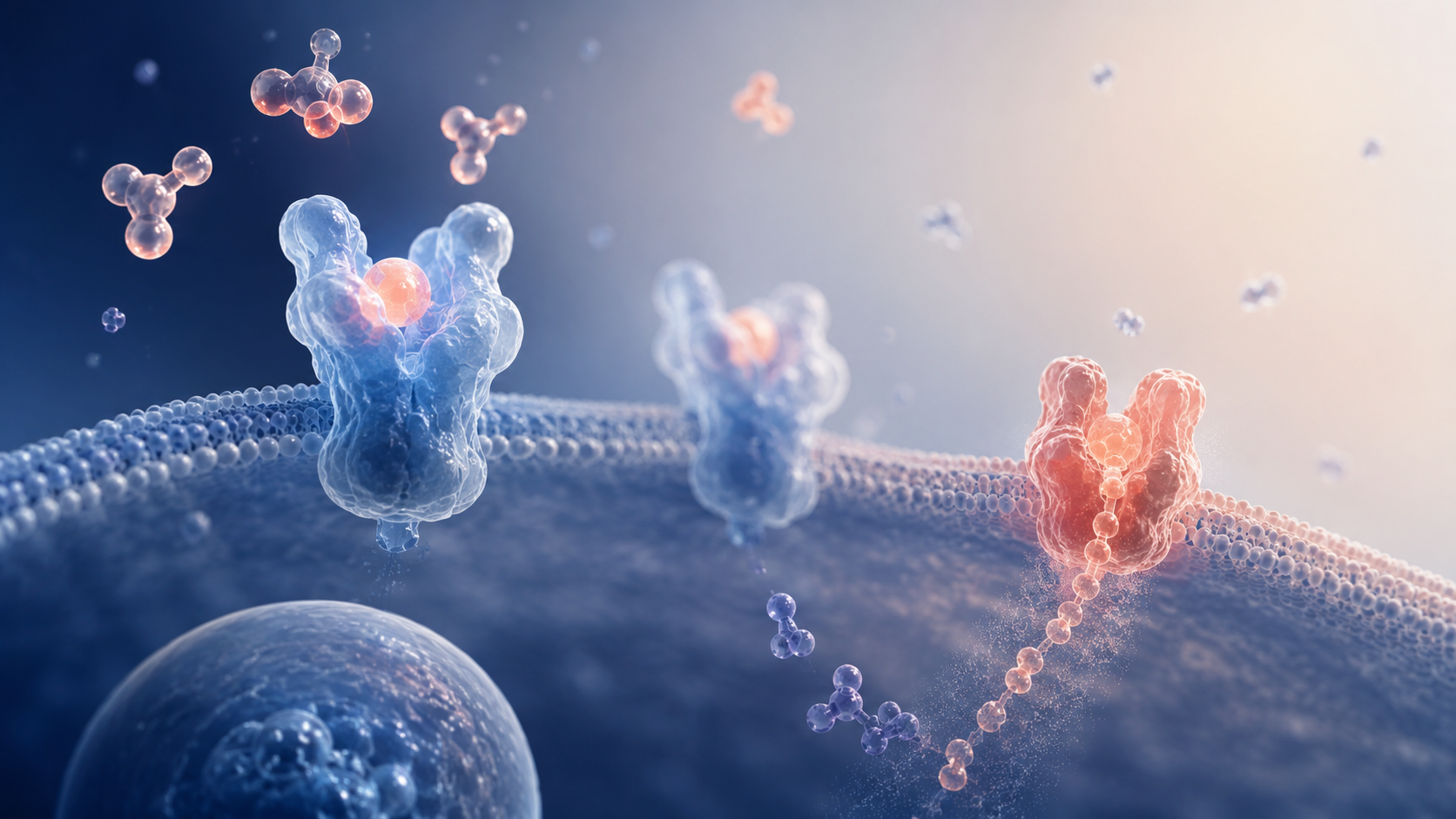
Hormone therapy may slow or stop hormone-sensitive cancers by changing hormone levels or blocking their effects.
Explore treatment
Blood and marrow transplant may replace damaged blood-forming cells with healthy cells in selected blood cancers.
Explore treatment
Image-guided procedures may treat or manage tumours through small access points with minimal disruption to surrounding tissue.
Explore treatment
Clinical trials may offer access to new treatment options under careful review in eligible situations.
Explore treatment
Our dedicated oncology nursing team provides ongoing patient support, clinical guidance and compassionate bedside care throughout your treatment journey and beyond.
The exact sequence varies, but every pathway is designed around clear decisions, preparation and ongoing support.
Discuss the diagnosis, priorities and possible options.
Complete the tests and preparation required for care.
Monitor progress and support life during and after treatment.
Receive coordinated care with regular clinical review.

Clarify whether the intended outcome is curative (aiming to eliminate cancer cells completely), disease control (slowing or containing tumour growth), or palliative / supportive (relieving symptoms and preserving physical comfort and daily function).
Ask how your specific tumour biology, biomarker profiles (such as hormone receptor or genetic mutations), clinical staging, and overall organ function led the Multidisciplinary Tumour Board (MDT) to this specific modality over other options.
Understand pre-treatment requirements such as necessary imaging or baseline blood tests, dietary or medication adjustments, dental clearance (for head and neck or bone-targeted therapies), and arranging support for travel or recovery.
Learn which symptoms are anticipated mild side effects and which require immediate urgent attention—such as fever, severe chills, persistent vomiting, shortness of breath, sudden skin changes, or unexpected bleeding.
Establish the timeline and methods for monitoring your response, including interim blood tests, tumour marker assays, follow-up CT/PET scans, and scheduled review consultations with your primary oncologist.
Identify your designated cancer care coordinator, clinical nurse specialist, or the 24-hour urgent oncology triage line for questions, prescription renewals, or sudden symptom management between scheduled visits.
Request an appointment or find a doctor whose expertise is relevant to your care needs.