
Clinical question
The referral defines what the care team needs to understand.
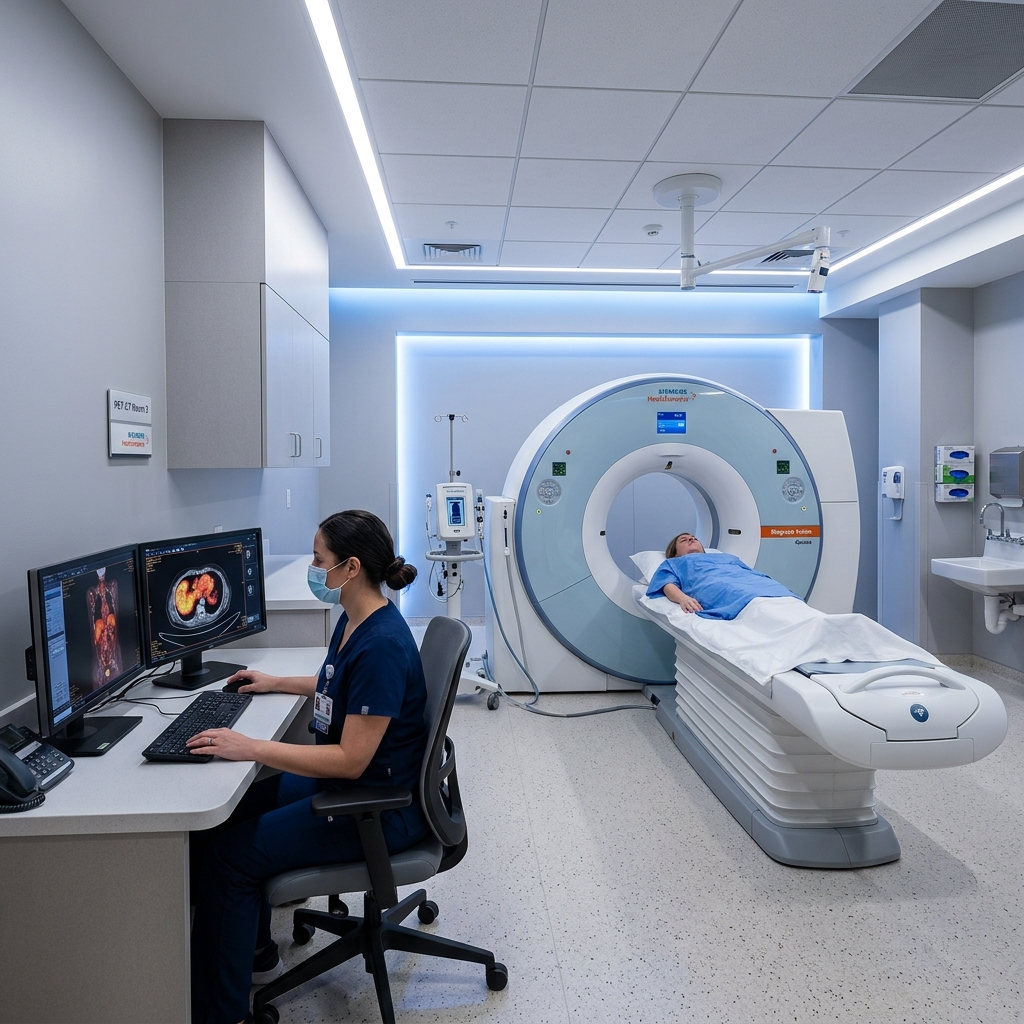
Our imaging team helps patients and specialists understand what is happening, prepare for the next step and make informed care decisions.
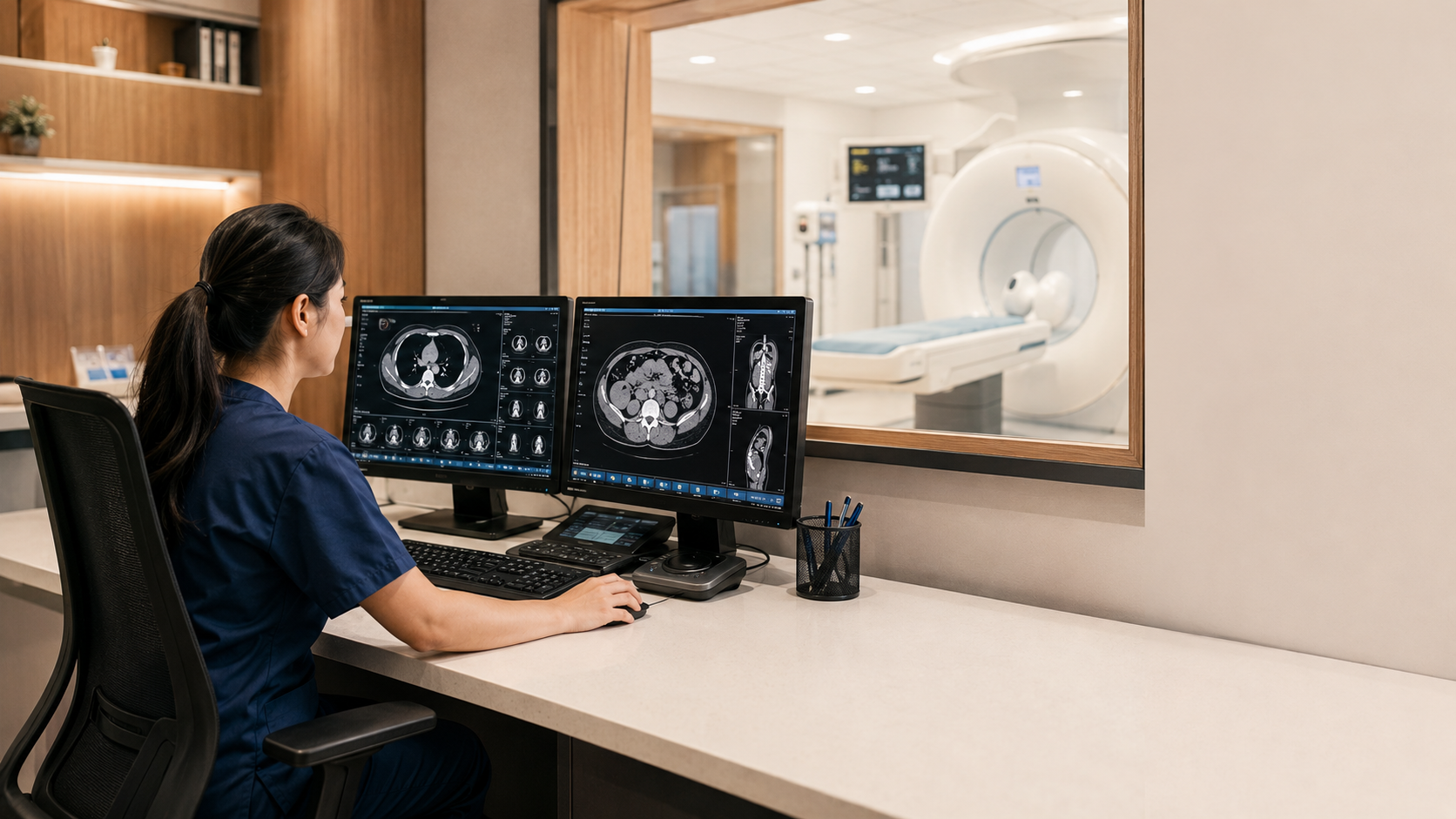
Imaging may support screening, diagnosis, staging, treatment planning or follow-up. The care team selects an examination according to each patient’s clinical needs.
From the first clinical question to a care decision, each stage provides information the clinical team can use.
The referral defines what the care team needs to understand.
The appropriate modality and protocol are selected.
Images are obtained with attention to safety and quality.
Findings are assessed and communicated through the care pathway.
The results help inform the appropriate next step.
Symptom control, comfort, quality of life and continuous patient support.
Each guide explains why an examination may be used, how to prepare, what happens during it and what may follow afterwards.
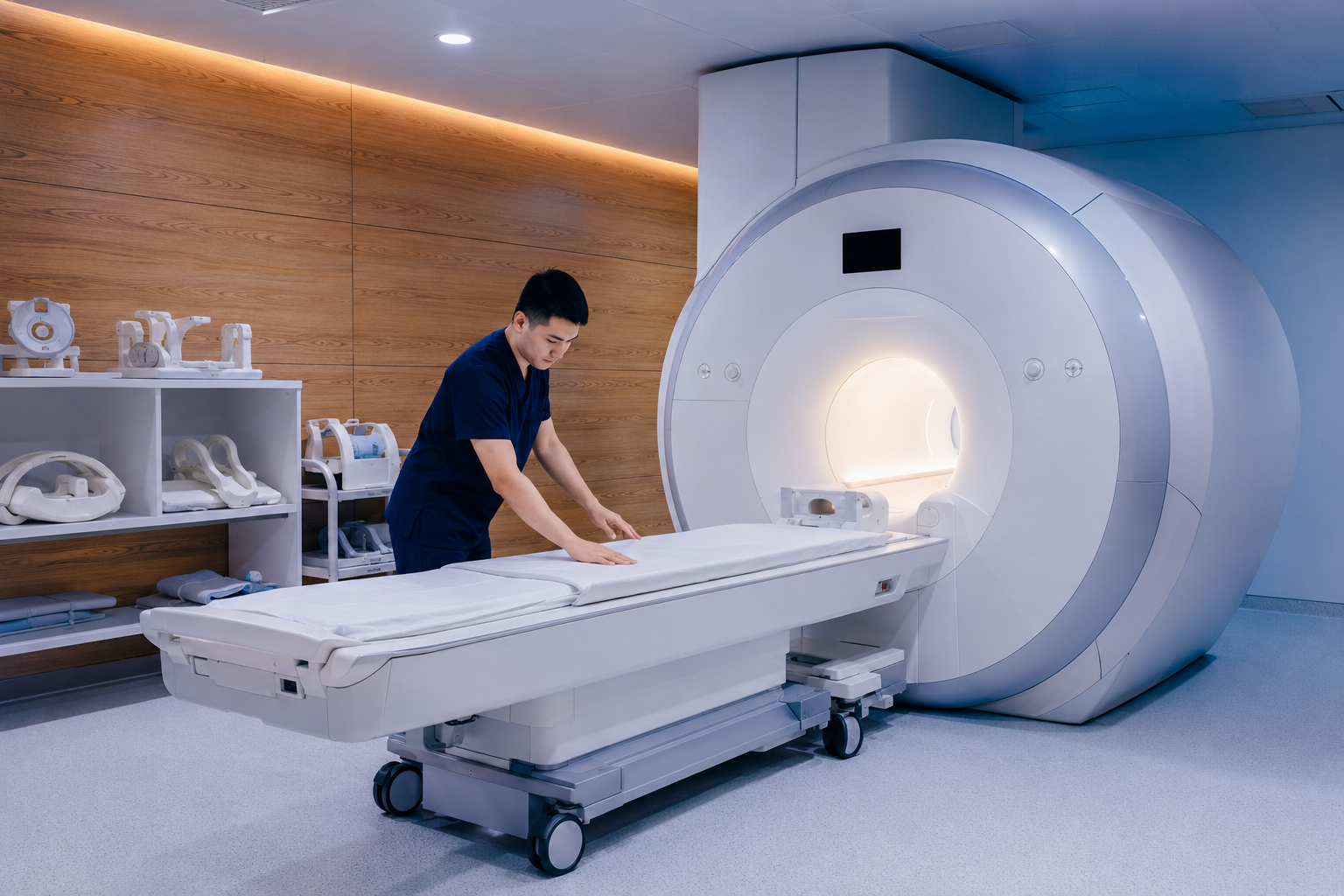
Detailed soft-tissue imaging created without ionising radiation.
Functional information shown together with detailed anatomical imaging.
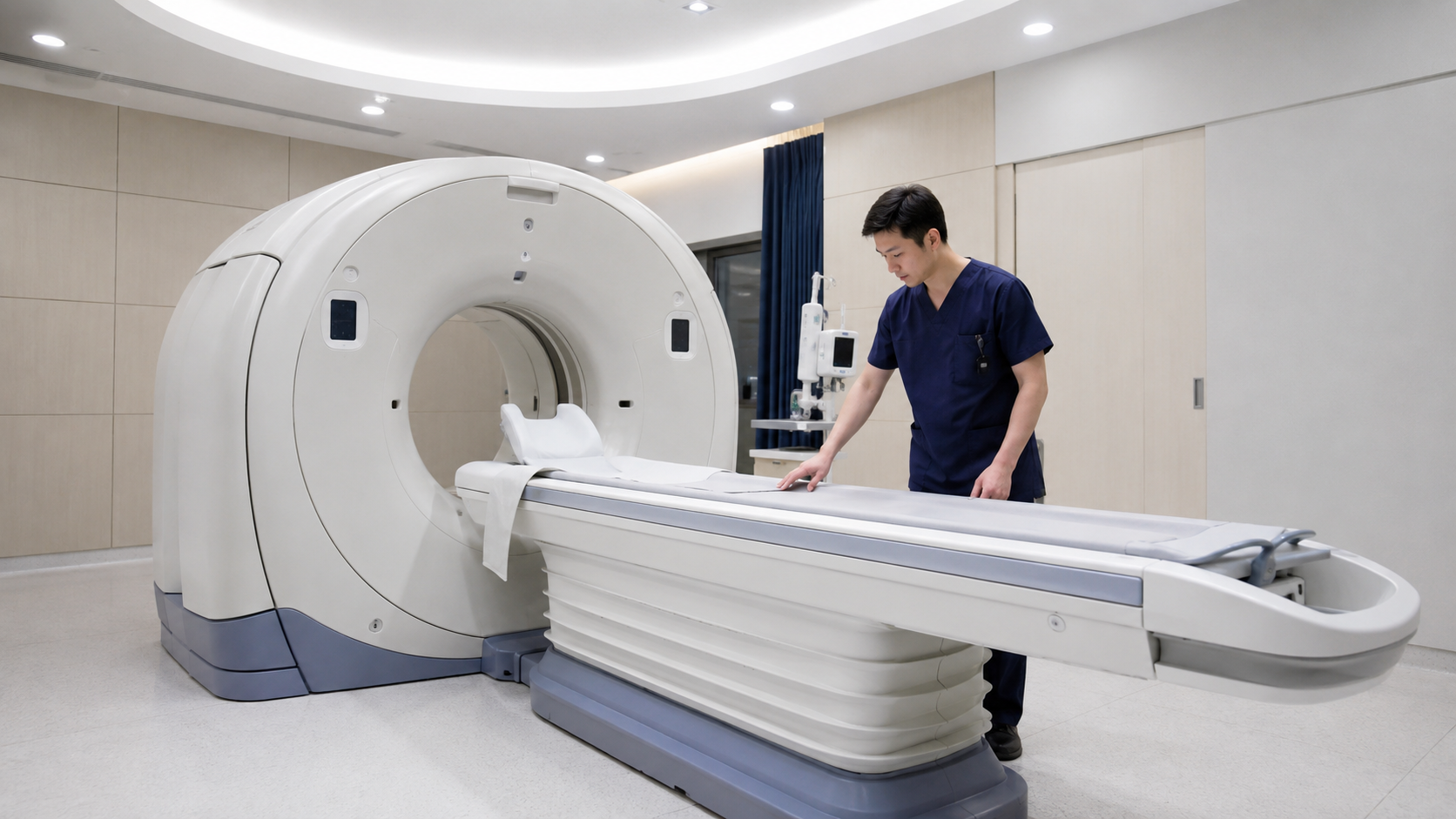
Cross-sectional imaging that may support assessment, planning and follow-up.
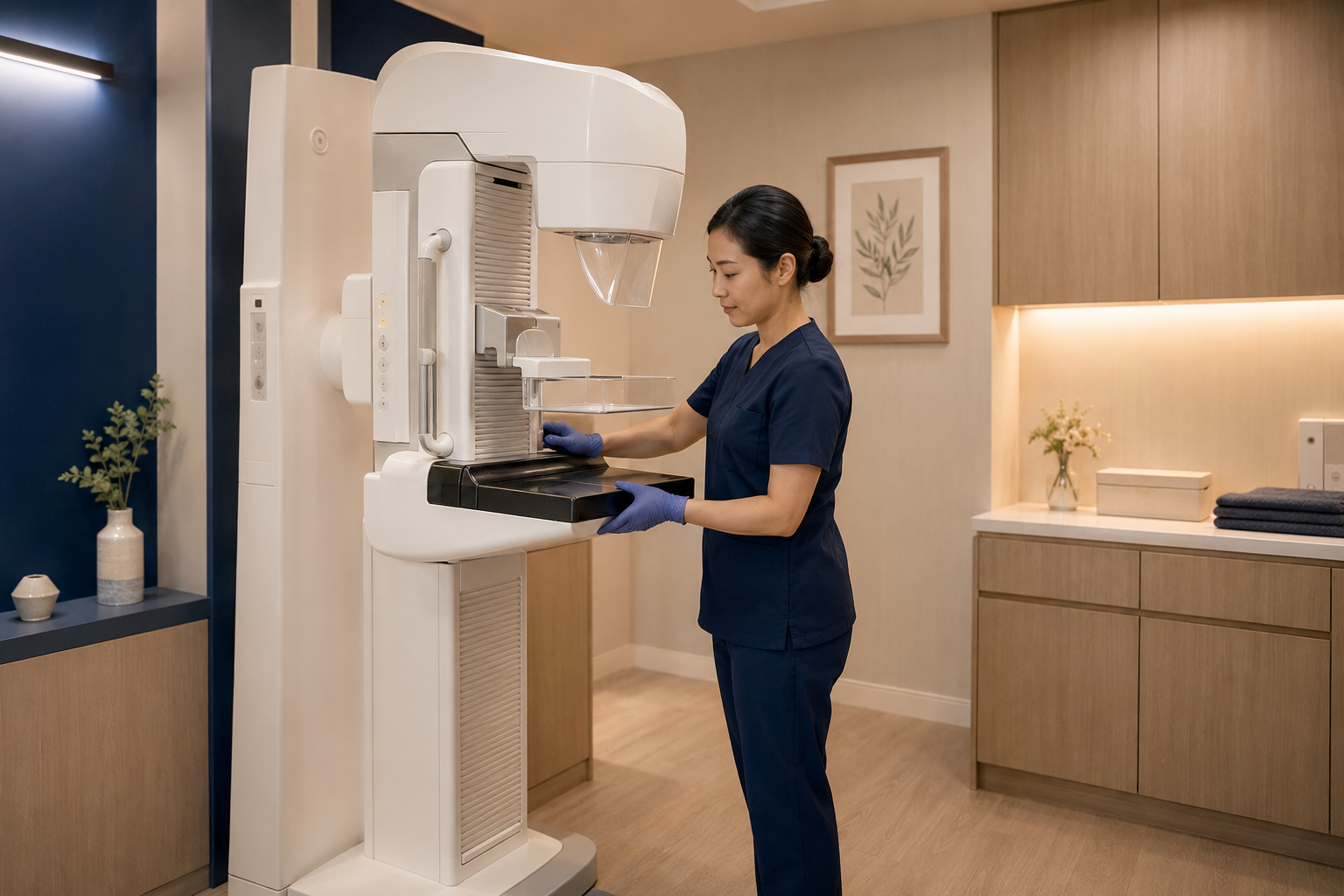
Breast imaging for screening or diagnostic assessment where appropriate.
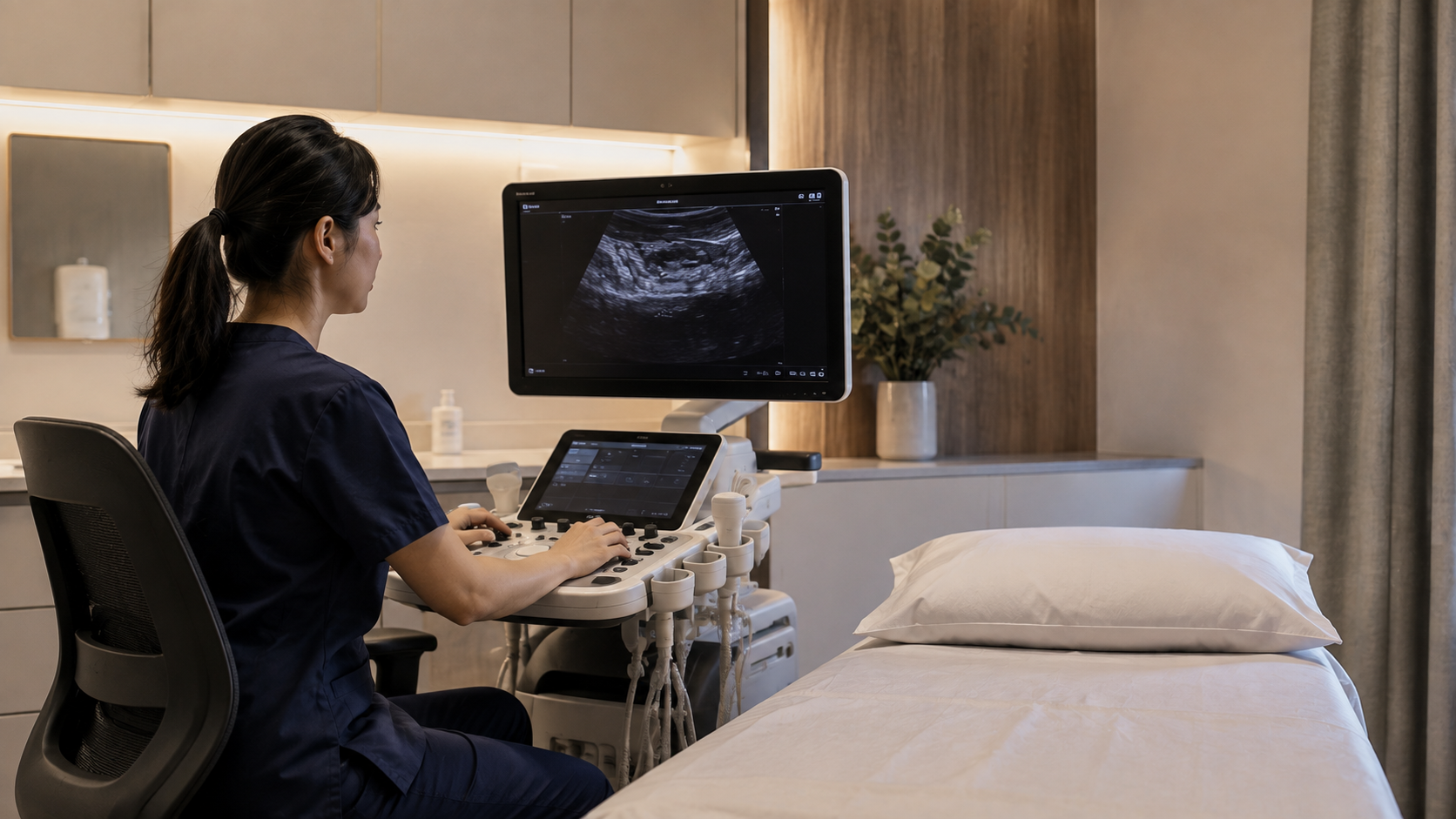
Real-time imaging using sound waves rather than ionising radiation.
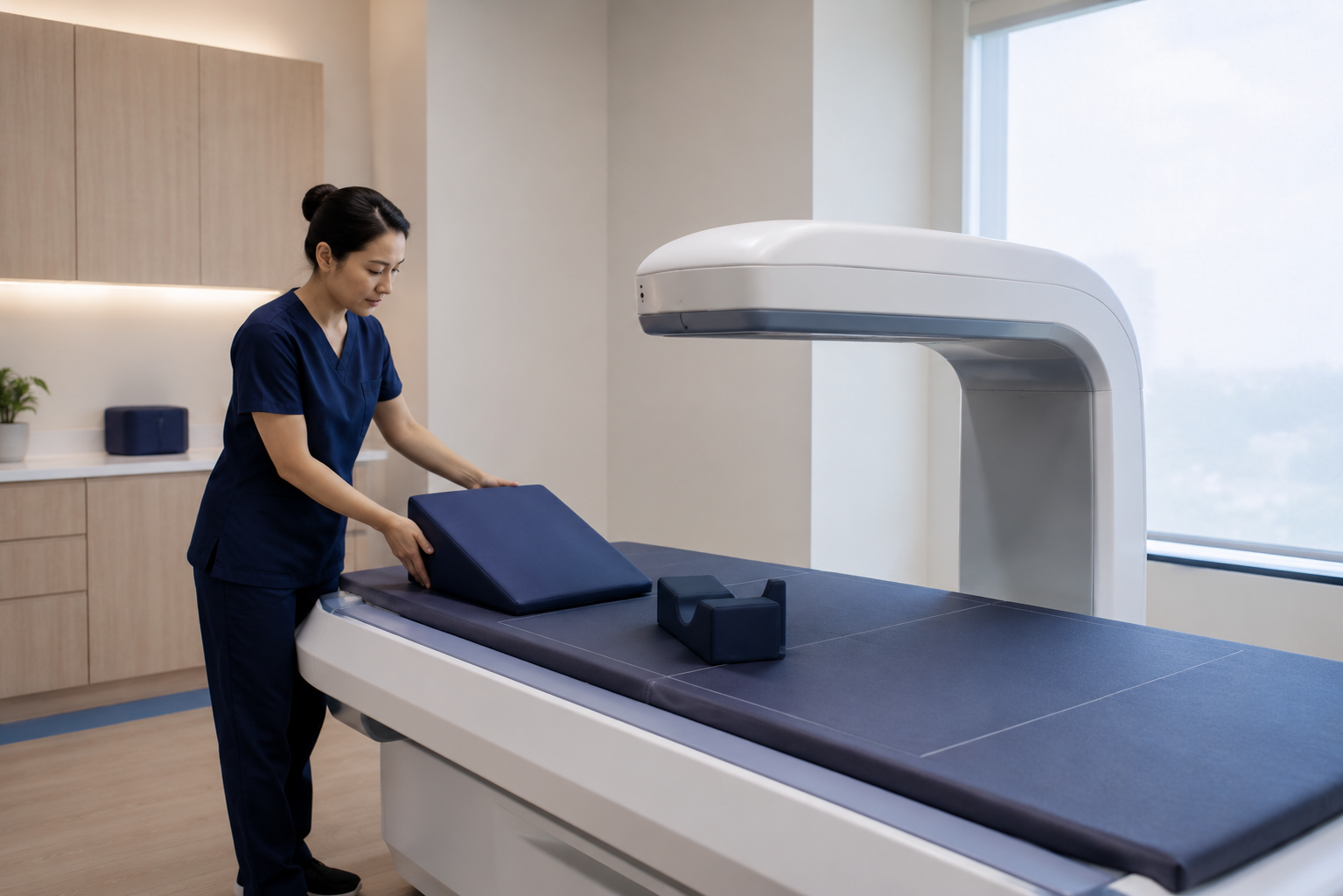
A short examination used to assess bone mineral density.
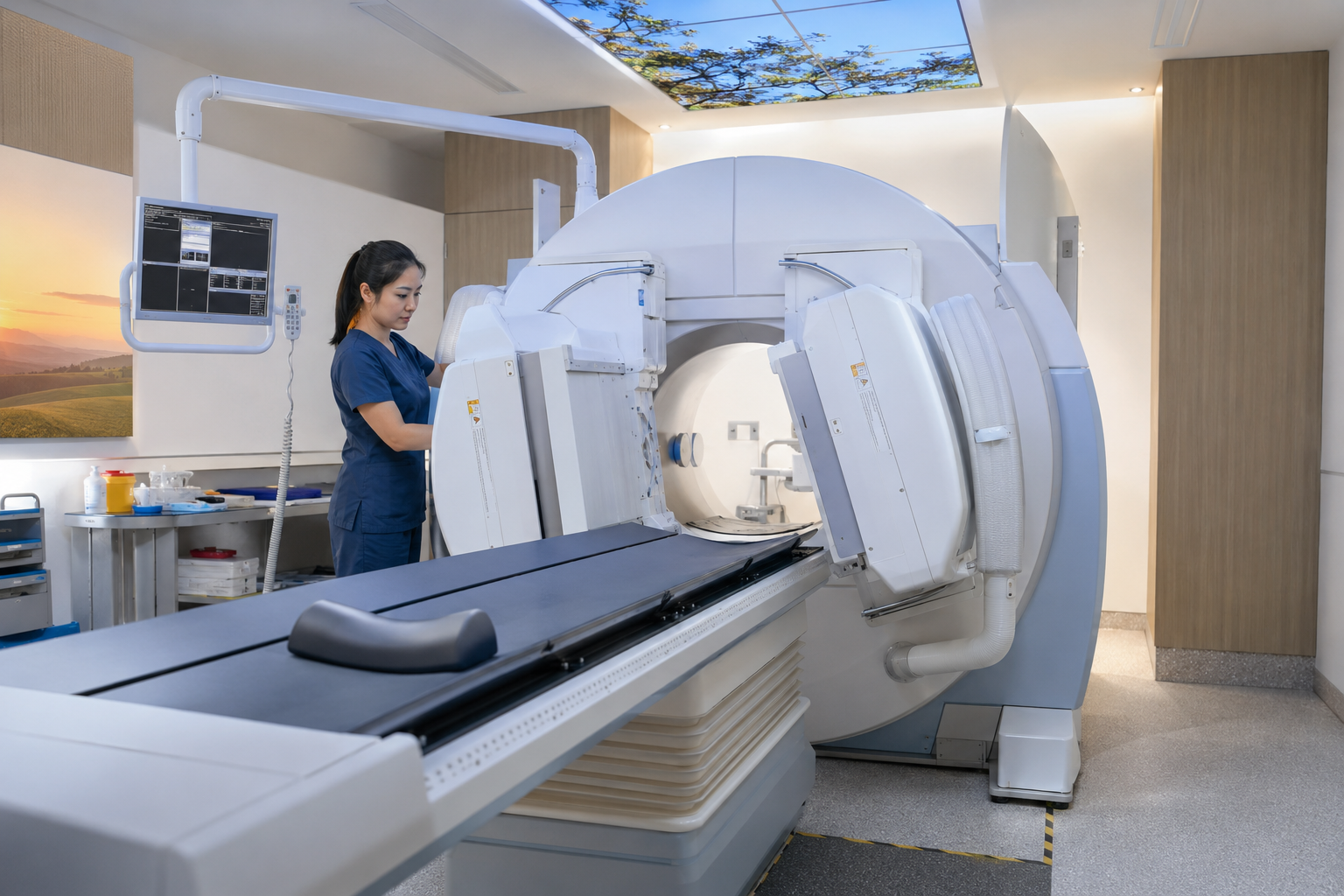
Confirmed services using approved radiopharmaceuticals should appear here.
A cyclotron can produce selected short-lived radioisotopes for confirmed nuclear-medicine applications. Production, preparation and clinical use follow carefully controlled processes.
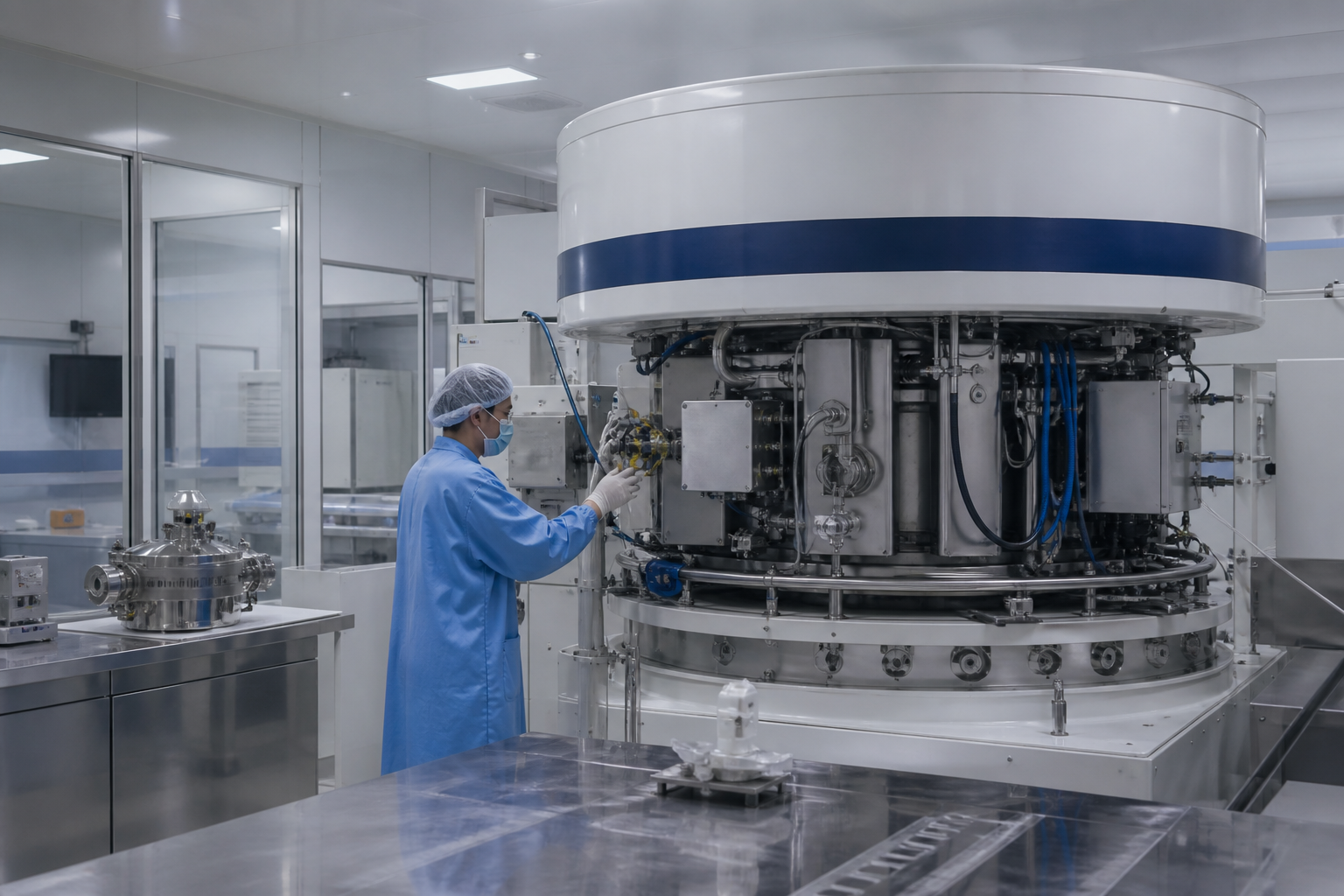
Generate a selected medical radioisotope.
Formulate and quality-check the radiopharmaceutical.
Coordinate time-sensitive preparation and use.
Use the tracer to answer a defined clinical question.
Confirmed nuclear-medicine and radiotherapy services should be described according to their clinical and operational use.
Diagnostic or treatment services using approved radiopharmaceuticals, subject to confirmed clinical availability.
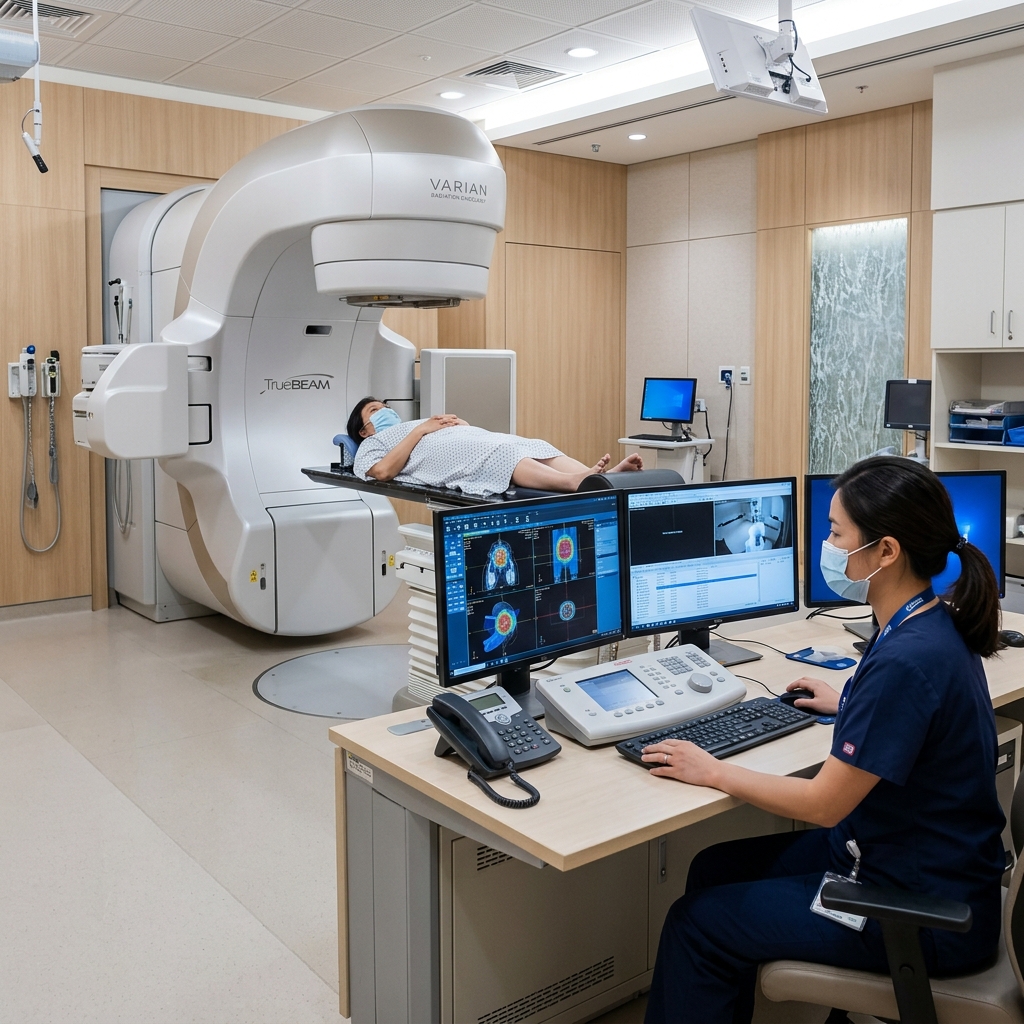
Technology designed to deliver carefully planned radiation therapy with precise positioning and treatment delivery.
Imaging reveals where a tumour is located; our integrated clinical laboratory reveals its cellular and genetic composition. Same-day haematology, tumour marker profiling and rapid biopsy processing guide every step of precision cancer care.
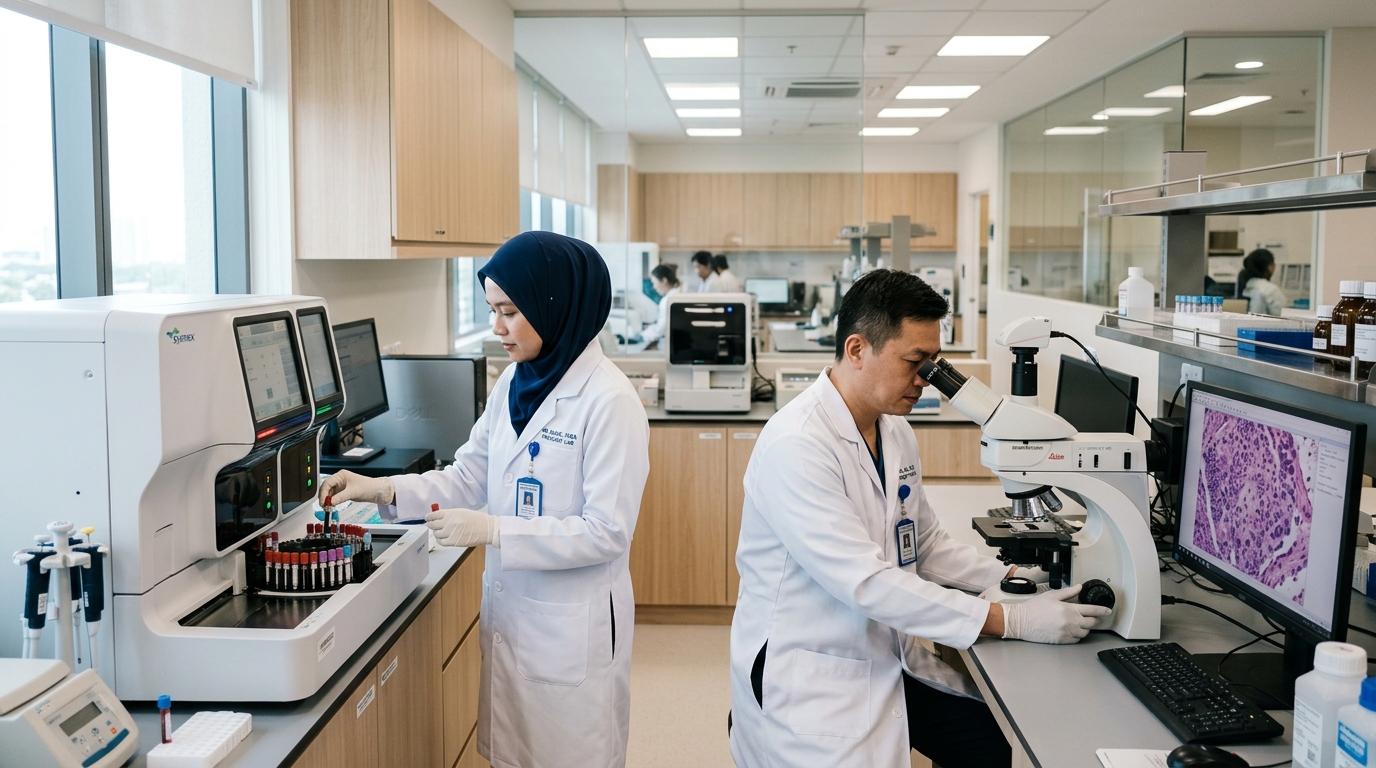
Our on-site pathology and clinical laboratories are integrated with surgical theatres, daycare chemotherapy suites and imaging modalities—eliminating external courier delays and providing actionable answers at clinical speed.
Microscopic evaluation of needle biopsies and surgical resections, defining exact tumour lineage, histological grade, and margin clearance.
Targeted antibody staining for hormone receptors and actionable surface proteins, determining suitability for targeted therapy and immunotherapy.
Rapid automated screening of bone marrow reserve and metabolic organ function prior to chemotherapy, immunotherapy, or contrast-enhanced scans.
Detection of actionable somatic gene mutations and serial tracking of circulating serum tumour markers across treatment and follow-up.
Gentle blood draw or tissue sample collection in our dedicated phlebotomy and clinical care suites.
Automated electronic barcode tracking from bedside directly into the Laboratory Information System.
Rigorous multi-level calibration, automated analysers, and pathologist validation ensure absolute accuracy.
Real-time results transmitted to Oncologists and the Tumour Board (MDT) for immediate care decisions.
Appointment and modality-specific instructions always take priority because preparation differs by examination and clinical need.
Keep your appointment letter, referral information, identification and relevant medical details together.
Patients and referring professionals can request examination-specific guidance and coordination information.
Ask about an imaging appointment, referral requirements or examination-specific preparation.