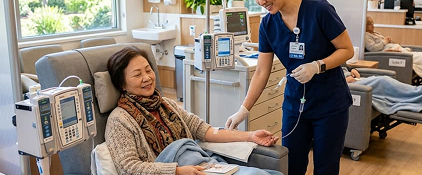
Clinical oncology environment at TLJCC
CLINICAL GUIDE & CARE PATHWAY

Understanding Breast Cancer

An authoritative, structured guide detailing cellular biology, risk factors, early warning indicators, multimodal staging diagnostics, personalised treatment options, and survivorship at TLJCC.

Clinical Overview & Pathology

Clear insight into cell behaviour and biology.

Accurate classification and molecular profiling are the bedrock of cancer management at TLJCC. Every tumour possesses unique biological features that dictate its behaviour, progression rate, and response to specific therapies.

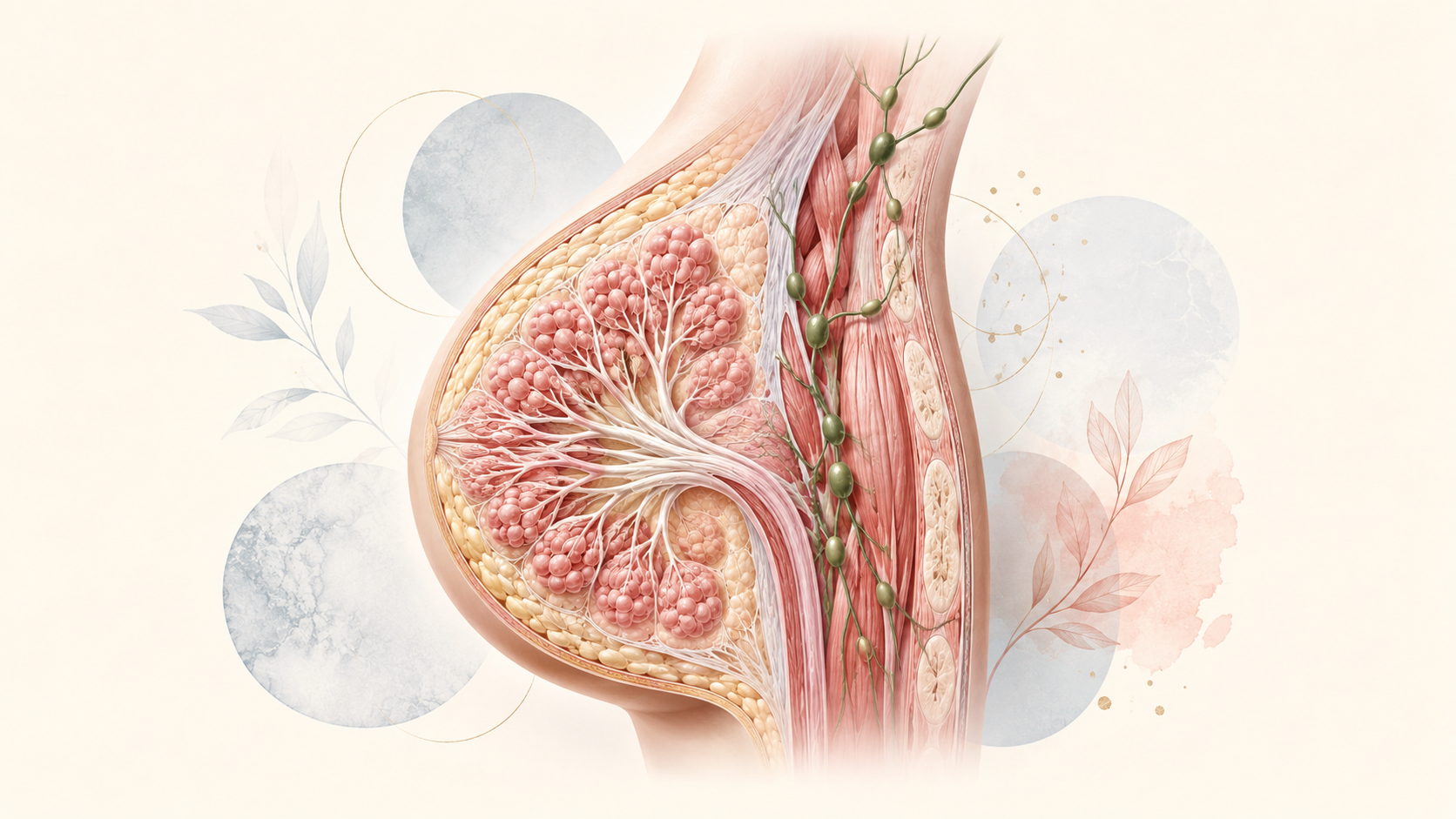
Breast cancer anatomy
Anatomical Focus

Breast Cancer

Breast cancer originates from epithelial cells in the ducts or lobules of the breast. Early detection through regular screening and clinical assessment significantly improves treatment efficacy and long-term outcomes.

Understanding the Mechanisms of Disease

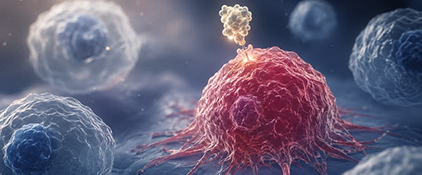
Cancer develops when genetic alterations disrupt normal cellular controls, allowing cells to multiply unchecked, invade surrounding tissue, or potentially spread through lymphatic channels and blood vessels.

At TLJCC, diagnostic tissue specimens undergo comprehensive immunohistochemical and genomic profiling. Identifying molecular markers (such as hormone receptor status and gene mutations) ensures each patient receives therapies designed specifically for their tumour profile.

Primary Biological Subtypes

Prevention & Risk Considerations Key Risk Factors & Environmental Influences

Factors may include age, genetic predispositions (such as BRCA1/BRCA2 alterations), hormonal exposures, lifestyle factors, and familial history. While some risk factors cannot be modified, early assessment and lifestyle adjustments remain vital.

Signs & Symptoms

Changes that warrant clinical evaluation.

Many early symptoms can be caused by benign conditions. However, new, persistent, or worsening physical changes should be reviewed promptly by an experienced clinician.

Palpable Lump or Thickening

A firm, painless swelling or thickening felt in breast tissue or under the armpit that does not fluctuate with menstrual cycles.

Skin Texture Changes & Dimpling

Skin alterations such as puckering, redness, or an orange-peel texture (peau d’orange) caused by obstructed lymphatic drainage.

Nipple Inversion or Discharge

Unexplained retraction or flattening of the nipple, or spontaneous serous/blood-stained discharge from a single duct.

Persistent Breast or Armpit Pain

Localised discomfort or swelling in the axillary region that persists independent of hormonal fluctuations.

Asymmetry or Size Alteration

Unexplained change in the contour, shape, elevation, or symmetry of one breast compared to the other.

Scaling or Erythema of Areola

Persistent eczema-like flaking, crusting, or itching around the nipple areolar complex that fails to heal with topical cream.

!
Clinical Triage Note: Do not wait for symptoms to worsen

Early-stage disease is frequently asymptomatic and detected via routine screening. If you discover a palpable lump, persistent skin change, or unexplained bleeding, schedule an evaluation immediately.

Diagnostic Staging Pathway

From clinical suspicion to precise staging.

Accurate diagnosis at TLJCC follows an integrated, multi-step sequence combining physical examination, high-resolution diagnostic imaging, and pathology analysis to guide therapeutic planning.

01 Step 01

Screening iFOBT & Clinical Exam

Fecal occult blood test to identify microscopic occult bleeding alongside digital rectal examination.

02 Step 02

High-Definition Colonoscopy

Full endoscopic visualization of the large intestine with direct polypectomy and biopsy of suspicious lesions.

03 Step 03

Multiparametric Pelvic MRI

Mandatory high-resolution rectal MRI to assess mesorectal fascia margin and depth of local invasion.

04 Step 04

Contrast CT / Whole-Body PET-CT

Cross-sectional imaging of thorax, abdomen, and pelvis to detect hepatic or pulmonary micrometastases.

Clinical Staging Framework (TNM Classification)

Staging describes the anatomical extent of disease to guide prognosis and treatment strategy.

Verified Clinical Staging
Stage Clinical Characteristics Diagnostic & Therapeutic Intent
Stage I Tumour confined within bowel submucosa or muscularis propria (T1-T2N0M0); zero nodal spread. Curative surgical resection alone; 5-year survival exceeds 90%.
Stage II Tumour penetrates through bowel muscular wall (T3-T4N0M0) without regional lymph node involvement. Surgical resection with selective adjuvant chemotherapy based on high-risk histological features.
Stage III Any T-stage with confirmed tumour metastasis to 1 or more regional mesenteric lymph nodes. Definitive surgery followed by adjuvant FOLFOX or CAPOX chemotherapy.
Stage IV Distant metastatic disease in the liver, peritoneum, or lungs. Systemic chemotherapy, targeted anti-EGFR / anti-VEGF biologics, and selective surgical metastasectomy.
Treatment Approaches

Multidisciplinary care, precisely tailored.

TLJCC combines state-of-the-art surgical oncology, precision linear accelerator radiotherapy, and targeted systemic medical oncology into a unified care plan.

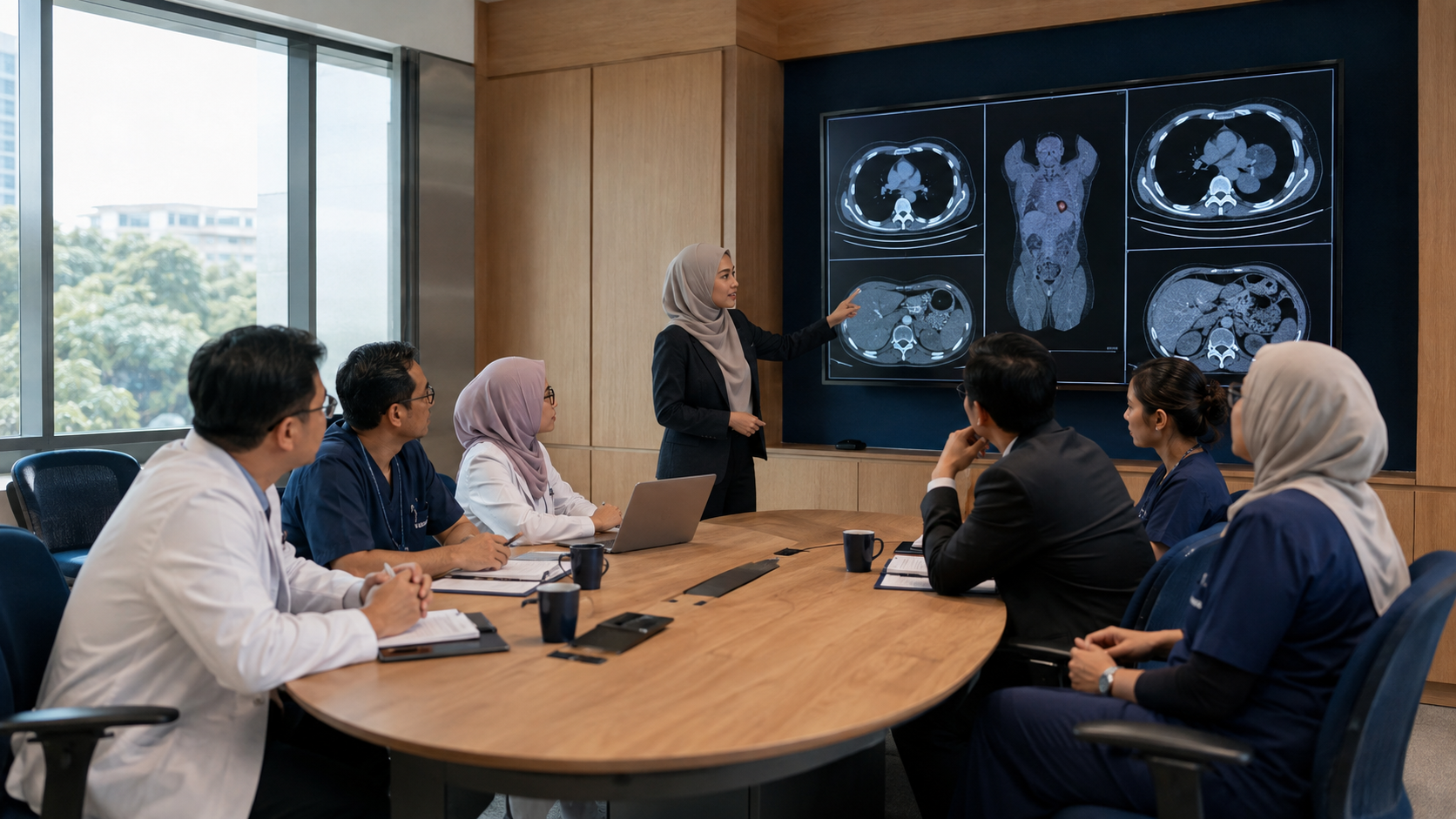
TLJCC Multidisciplinary Tumour Board reviewing clinical findings
Collaborative Care Model

Multidisciplinary Case Conference (MDT)

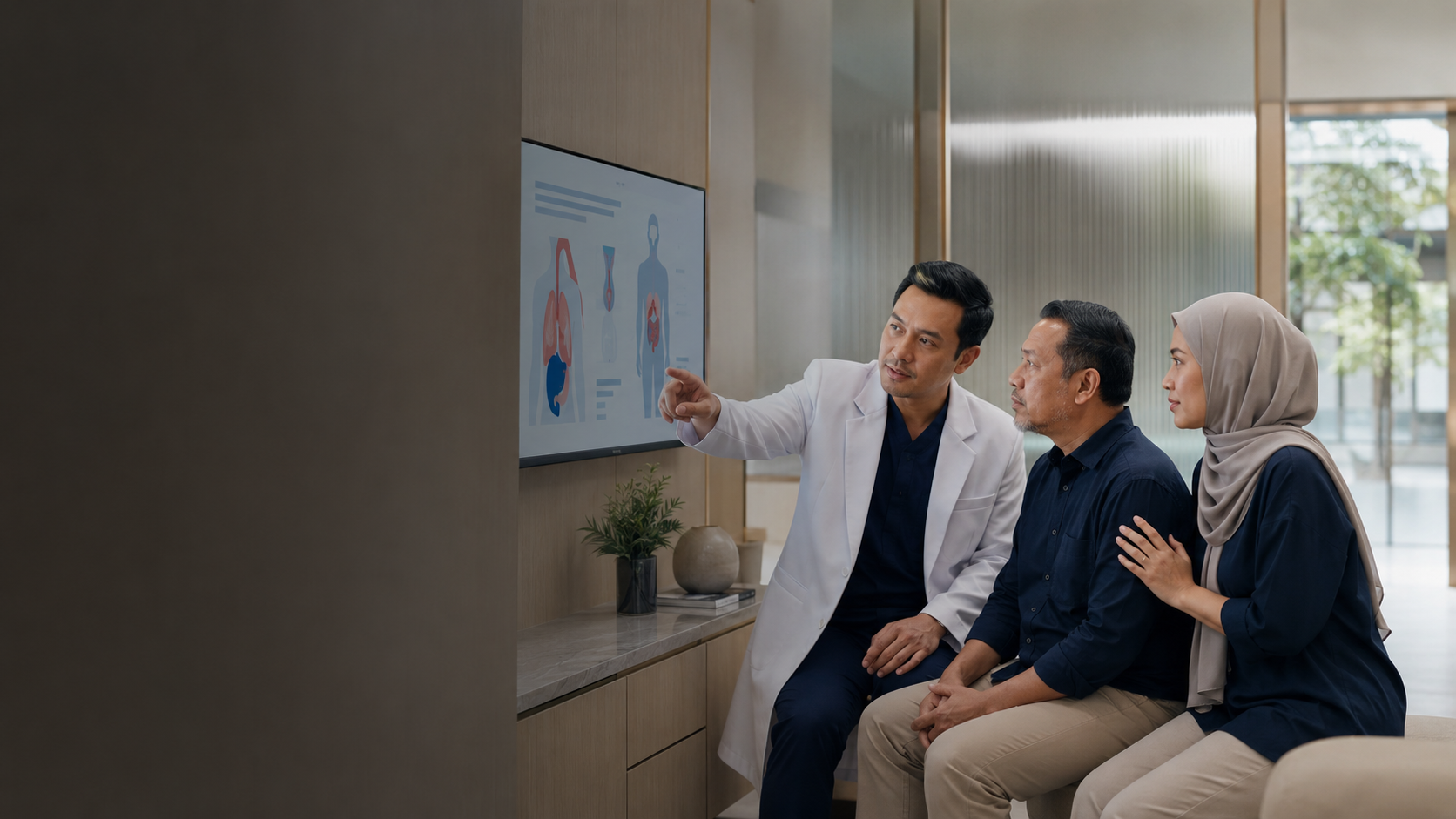
No single doctor makes complex cancer decisions alone. Every case is collaboratively reviewed by a team of surgeons, radiation oncologists, medical oncologists, radiologists, and pathologists to agree on the safest, most effective personalized path forward.

Breast-Conserving & Reconstructive Surgery Surgical Oncology

Breast-Conserving & Reconstructive Surgery

Surgical excision tailored to tumour location, from oncoplastic lumpectomy to skin-sparing mastectomy and immediate reconstruction.

  • Oncoplastic lumpectomy (wide local excision)
  • Sentinel lymph node biopsy to spare healthy nodes
  • Total mastectomy with immediate oncoplastic reconstruction
High-Precision LINAC Radiotherapy Radiation Oncology

High-Precision LINAC Radiotherapy

Advanced image-guided external beam radiation to eradicate microscopic residual cells while strictly protecting cardiac and pulmonary tissue.

  • Deep Inspiration Breath Hold (DIBH) for left-sided tumours
  • Hypofractionated whole-breast irradiation
  • Regional nodal irradiation when clinically indicated
Systemic Chemotherapy Regimens Medical Oncology

Systemic Chemotherapy Regimens

Evidence-based cytotoxic chemotherapy administered prior to surgery to shrink tumours or post-operatively to eliminate micro-metastatic risk.

  • Dose-dense AC-T protocols (Doxorubicin, Cyclophosphamide, Paclitaxel)
  • Platinum-containing regimens for Triple-Negative Breast Cancer (TNBC)
  • Supportive scalp cooling therapy to reduce treatment-related alopecia
HER2 Receptor Blockade & Precision Molecules Targeted Therapy

HER2 Receptor Blockade & Precision Molecules

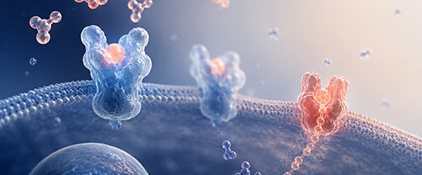
Monoclonal antibodies and antibody-drug conjugates specifically targeting cellular receptors driving malignant breast cell growth.

  • Dual HER2 blockade (Trastuzumab + Pertuzumab)
  • Next-generation antibody-drug conjugates (T-DXd / Trastuzumab Deruxtecan)
  • PARP inhibitors (Olaparib) for germline BRCA1/2-mutated breast cancers
Endocrine & Hormone Receptor Blockade Hormone Therapy

Endocrine & Hormone Receptor Blockade

Long-term targeted therapy designed to deprive hormone receptor-positive (HR+) tumour cells of estrogen stimulation.

  • Aromatase inhibitors (Letrozole, Anastrozole, Exemestane)
  • Selective Estrogen Receptor Modulators (Tamoxifen)
  • CDK4/6 inhibitor combinations (Ribociclib, Palbociclib, Abemaciclib)
Specialized Breast Nursing & Lymphedema Care Supportive Care

Specialized Breast Nursing & Lymphedema Care

Comprehensive physical and psychological support throughout your care trajectory, led by certified clinical breast care specialists.

  • Proactive upper-limb lymphedema screening & compression therapy
  • Axillary range-of-motion and post-mastectomy physical therapy
  • Dedicated breast nurse specialist navigation & survivorship counseling
Supportive Care & Survivorship

Whole-person care during and after treatment.

Cancer care extends beyond tumour eradication. TLJCC provides comprehensive supportive therapies to manage side effects, preserve emotional wellbeing, and ensure long-term physical recovery.

Specialist Medical Team

Experienced oncologists dedicated to your care.

Connect directly with verified specialists at TLJCC with deep clinical expertise in managing this cancer type.

Patient Questions & FAQs

Clear answers to help you prepare.

Being well-informed empowers you and your loved ones to participate actively in clinical discussions and decision-making.

Cancer Information Library

Explore other cancer types.

TLJCC provides authoritative guides across all major cancer types treated at our centre in Johor Bahru.

Personalised Clinical Consultation

Ready to discuss your diagnosis or seek a second opinion?

Our dedicated patient liaison team can guide you to the appropriate specialist clinic and assist with appointment scheduling.