
What brings you here?
Symptoms, eligibility and individual risk help determine the appropriate next clinical step.
AWithout symptoms
BWith persistent changes
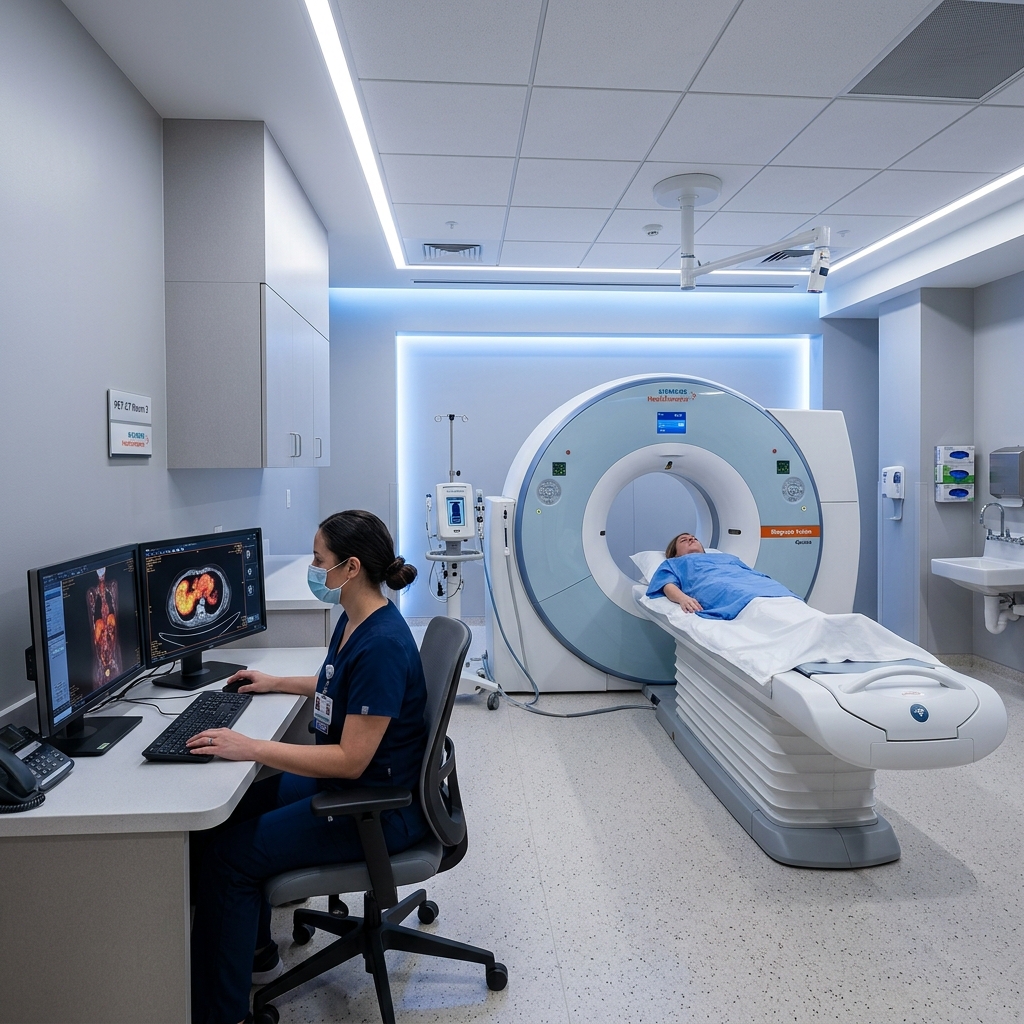
Understanding the type of cancer is an important first step in finding the right information, specialists, diagnostic pathway and treatment options. Explore patient-friendly guidance on common cancers and how to seek care at TLJCC.
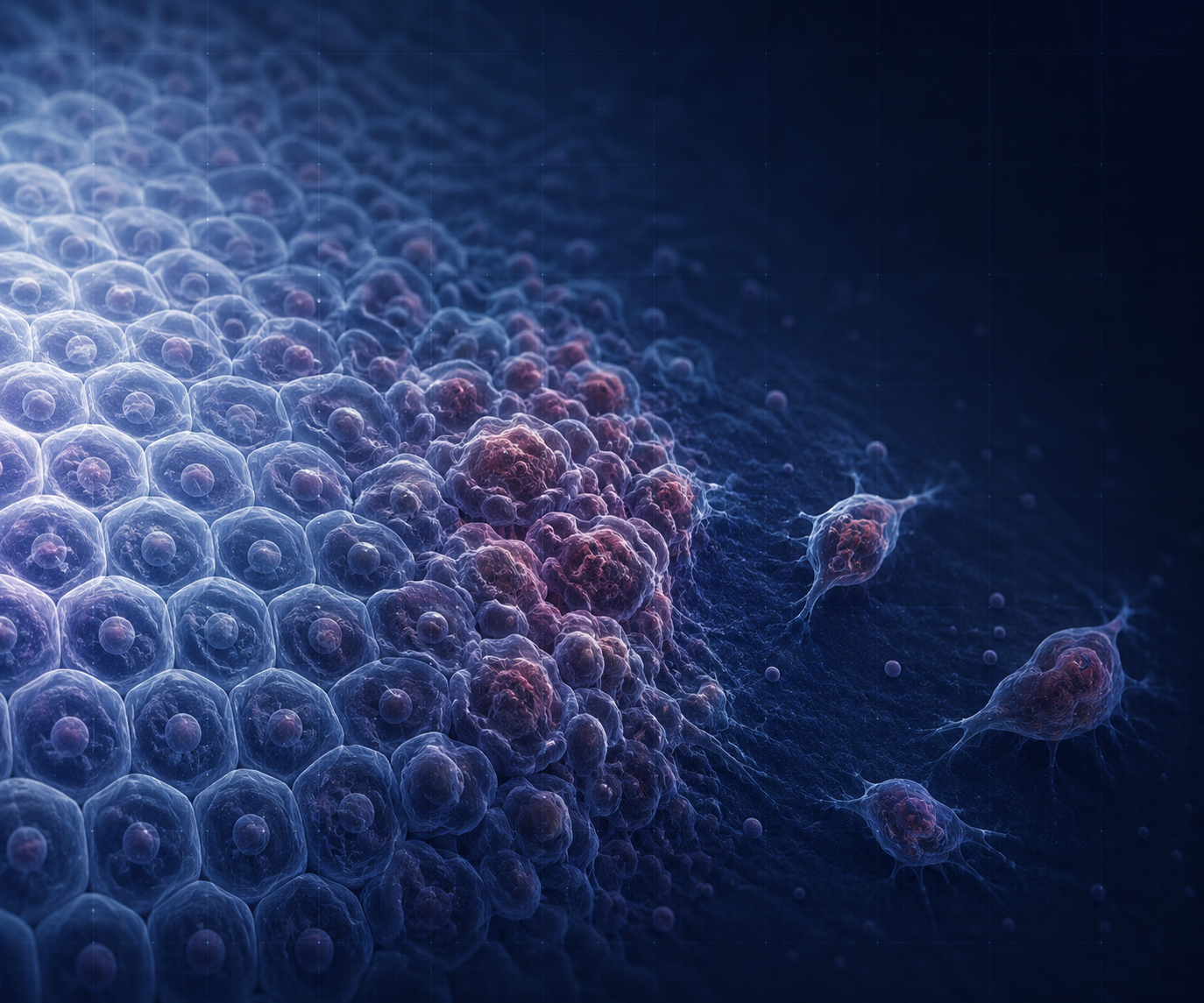
Cancer can develop in different organs and tissues of the body. Each cancer type can behave differently, and even cancers that begin in the same organ may have different biological characteristics. These differences help doctors decide which tests are needed and which treatment approaches may be most suitable.
01How cancer beginsChanges disrupt normal cellular controls, leading to unregulated cell proliferation and potential invasion of surrounding tissues.
02Every diagnosis is differentCare is not determined by cancer type alone; exact subtype, stage, pathology, imaging and biomarkers guide treatment.
03Personalised care plansMultidisciplinary clinical teams consider individual health and clinical findings to tailor the right therapy sequence.
Screening and diagnostic assessment answer different questions. The appropriate route depends on whether symptoms are present, age, eligibility and individual clinical risk.
Symptoms, eligibility and individual risk help determine the appropriate next clinical step.
Screening is intended for eligible individuals without symptoms to detect pre-cancerous changes or early-stage disease.
New, persistent or worsening changes should be evaluated promptly by a qualified healthcare professional.
Clinical findings guide which investigations are necessary to confirm cancer type and disease extent.
Assessment may include
This pathway is a guide to help you prepare. A qualified healthcare professional should determine the appropriate clinical assessment for each person.

Many symptoms have causes other than cancer, but early medical evaluation can clarify what is happening. Do not wait for pain before seeking medical advice.
Most symptoms are not caused by cancer, but any persistent, unexplained or worsening change should be assessed by a doctor.
Explore the priority cancer types below to learn about possible signs and symptoms, risk factors, screening and early detection, diagnosis and treatment options.

Learn about breast changes, risk factors, screening, diagnosis and treatment options for breast cancer.
Explore information →
Understand cancer of the colon and rectum, including bowel symptoms, screening, diagnosis and treatment.
Explore information →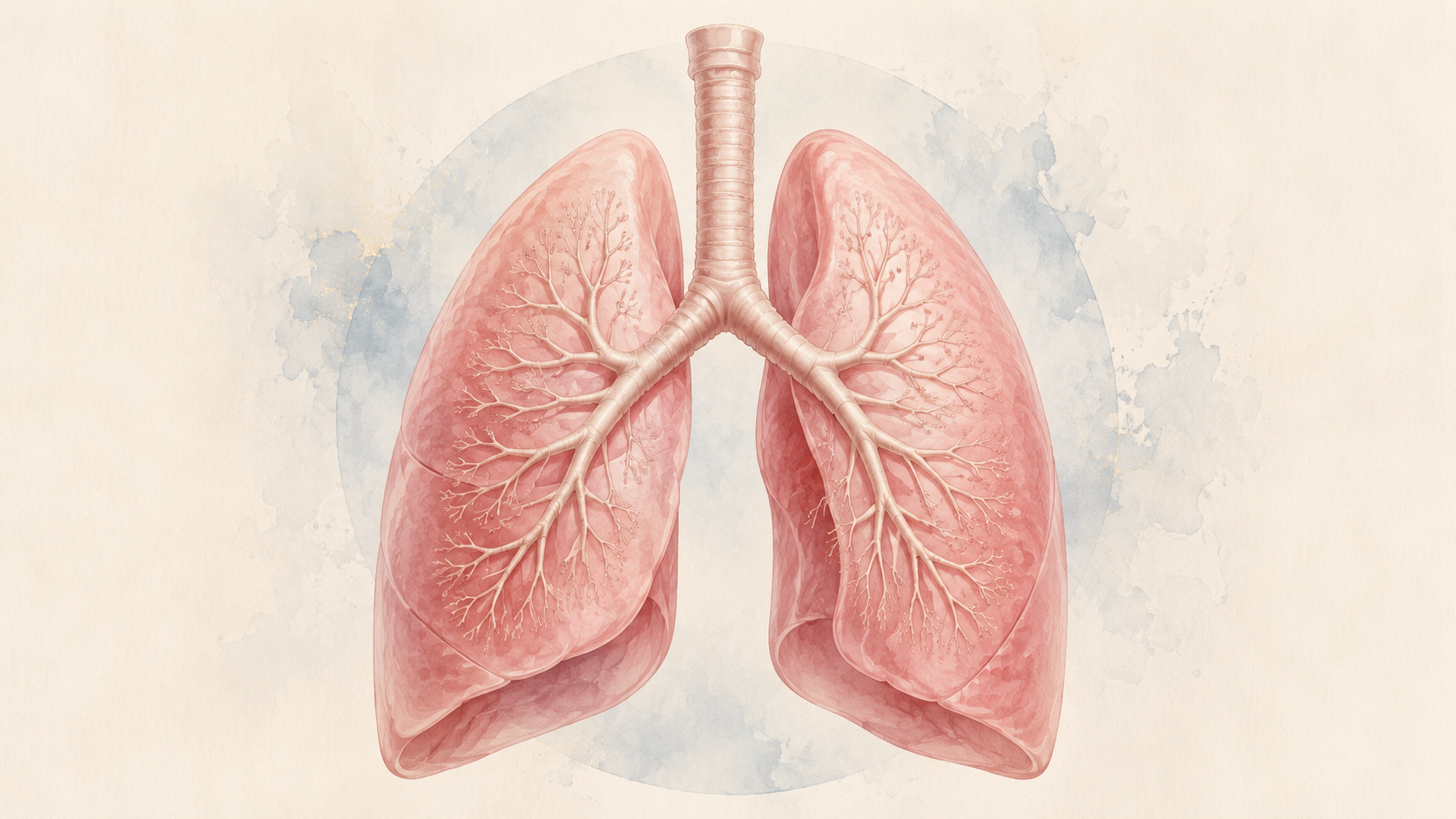
Explore the main types of lung cancer, possible symptoms, diagnostic tests and treatment approaches.
Explore information →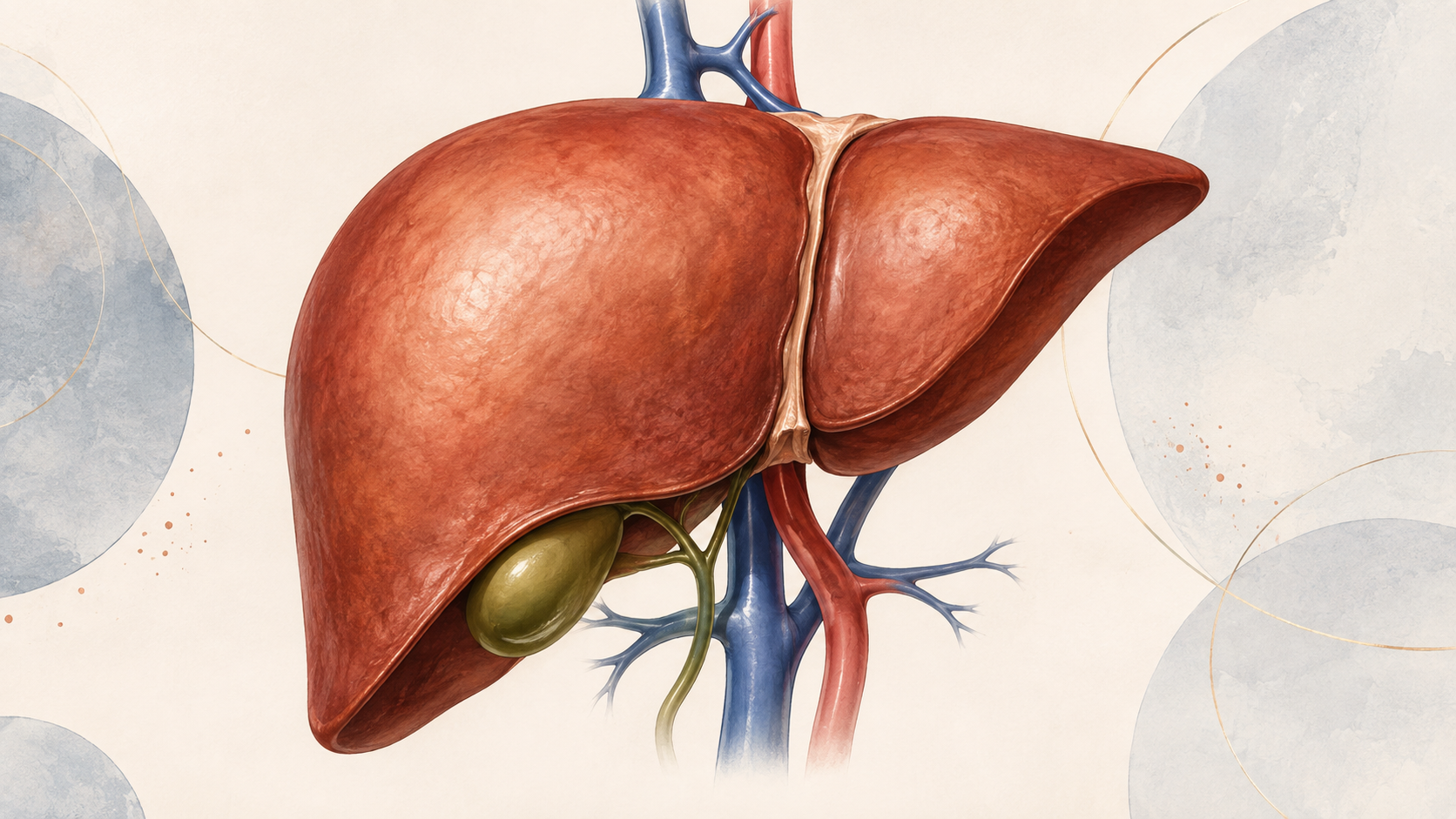
Learn about primary liver cancer, liver-related risk factors, diagnosis and treatment planning.
Explore information →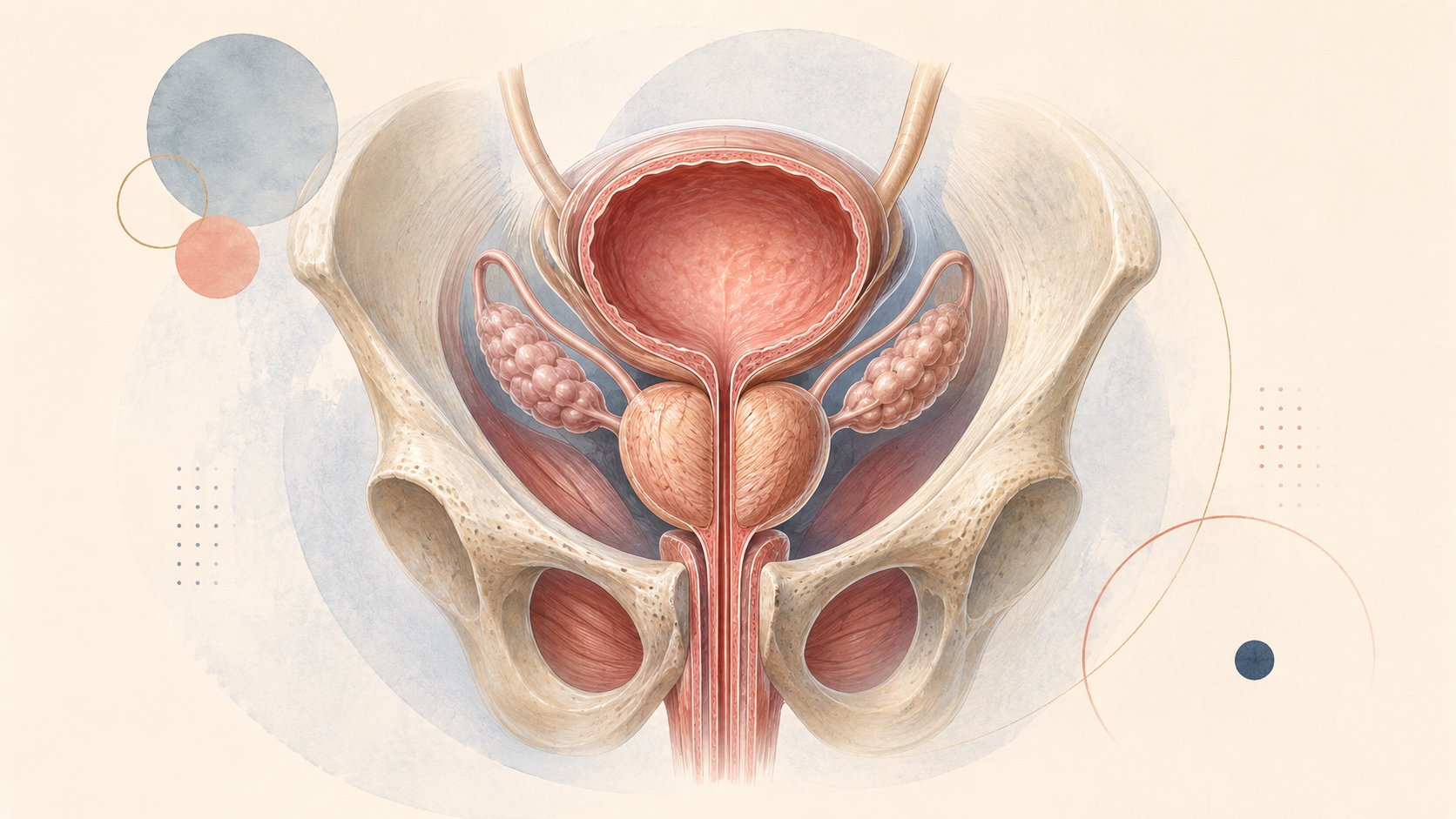
Understand prostate cancer, PSA testing, diagnosis, staging and treatment options.
Explore information →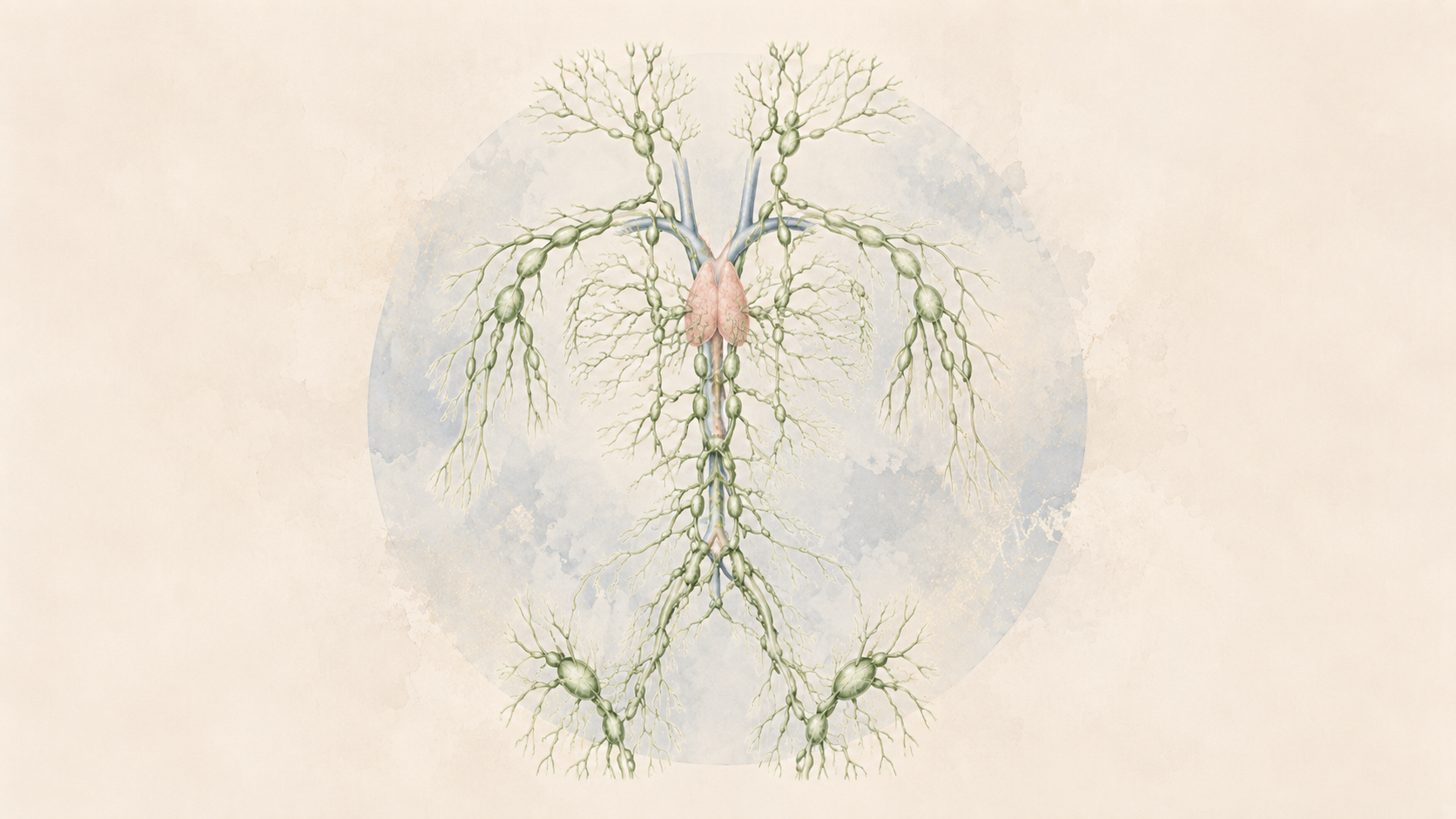
Learn about Hodgkin and non-Hodgkin lymphoma, common symptoms, diagnosis and treatment approaches.
Explore information →
Learn about HPV, cervical screening, warning signs, diagnosis and treatment options.
Explore information →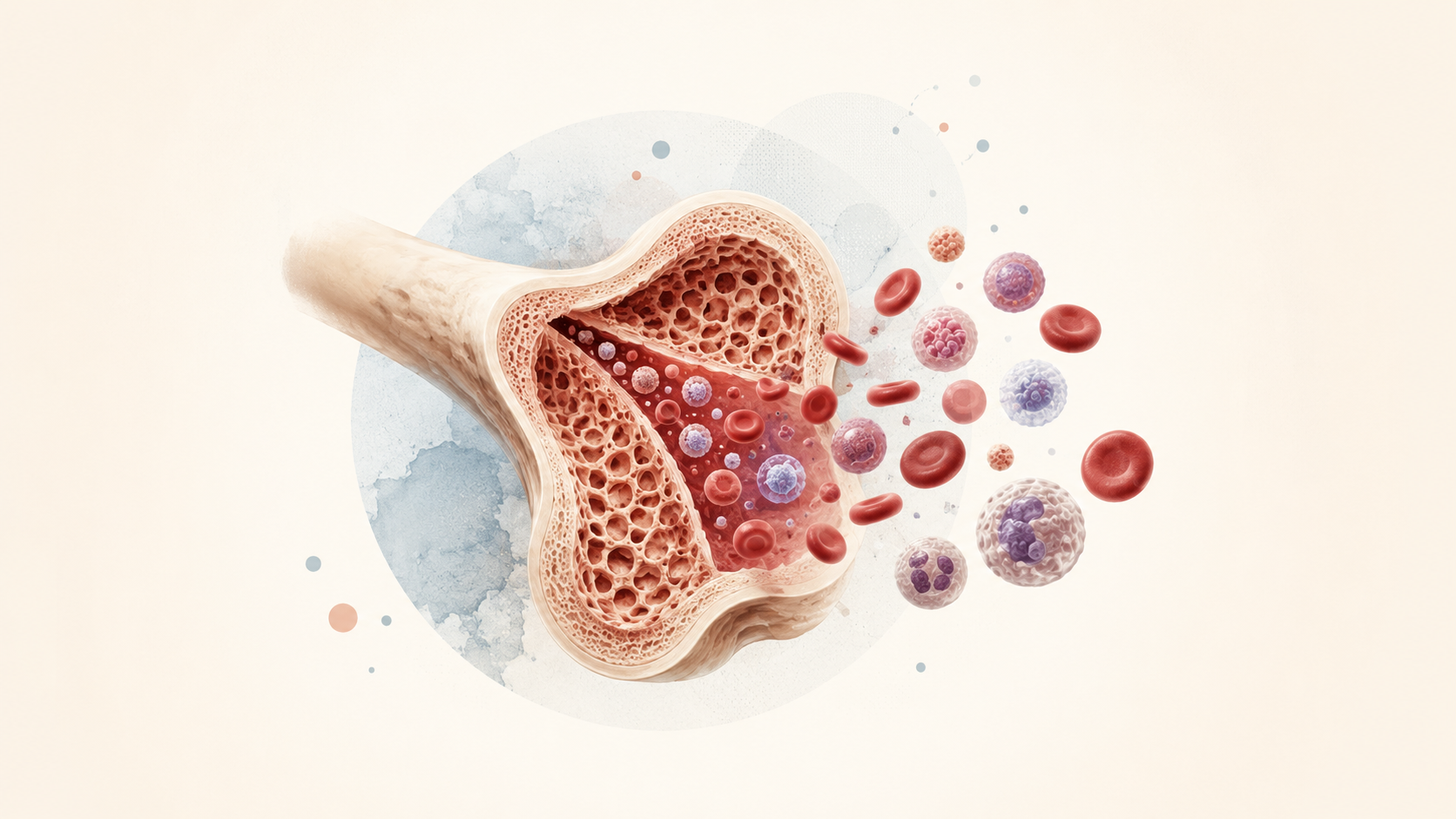
Understand cancers of the blood-forming tissues, common symptoms, blood and bone marrow testing, and treatment.
Explore information →
Explore symptoms, risk factors, endoscopic diagnosis, staging and treatment options for stomach cancer.
Explore information →No cancer types match this search. Try another name.
General information can help you prepare, but your multidisciplinary care team remains the best source of guidance for your individual health and treatment plan.
No. Many symptoms associated with cancer can also be caused by other conditions. However, any persistent, worsening or unexplained changes should be assessed by a doctor to identify the underlying cause.
Screening tests look for early cancer or pre-cancerous changes in eligible individuals without symptoms. Diagnostic tests are performed when symptoms are present or an abnormal screening result requires further investigation.
Staging describes the extent of cancer and whether it has spread to nearby lymph nodes or distant organs (commonly Stage I to IV). Biomarker and molecular testing identify specific biological characteristics that help doctors select targeted or hormone therapies.
Recommendations depend on the cancer type, stage, tumour characteristics, overall health and individual circumstances. Care is coordinated through a multidisciplinary team combining surgery, radiation therapy, systemic therapy and supportive care.
Yes. Seeking a second opinion is a standard part of cancer care. It can provide reassurance, clarify complex pathology or imaging findings, and help you review all available treatment options before making decisions.
If you have been diagnosed with cancer, received an abnormal test result, or would like to discuss your next steps, our team can help direct you to the appropriate service or specialist.